
Blireiana plum
Prunus blireiana
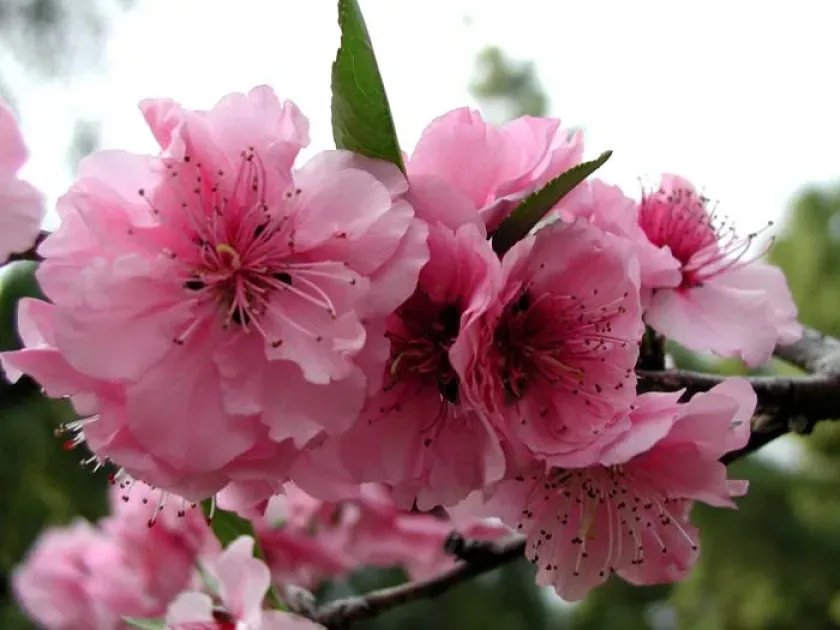
Description
Growing requirements
Blireiana plum (Prunus blireiana) is an elegant hybrid belonging to the Rosaceae family, widely appreciated in landscape design. This plant is a cross between Prunus cerasifera and Prunus mume, celebrated for its stunning display of flowers and rich purple foliage.
The tree thrives in full sun, which is essential to maintain its vibrant leaf color. Planting in partial or full shade will result in less intense foliage coloration, causing the plant to lose its primary ornamental appeal in the garden landscape.
It prefers fertile, well-drained loamy soils. Good drainage is non-negotiable for this species, as stagnant water in the root zone can trigger root rot and significantly shorten the lifespan of the tree in heavy or compacted soil conditions.
In terms of climate, it performs best in temperate zones. While it is hardy, young trees should be protected from harsh, drying winds and extreme temperature fluctuations during their first two or three winter seasons to ensure proper establishment.
Cultural practices include periodic fertilization with balanced fertilizers in early spring and pruning. Unlike fruit-bearing plums, pruning here is focused on shaping the crown to enhance its architectural beauty after the blooming period ends.
Main diseases and pests
Common fungal diseases affecting this species include leaf spot and blossom blight (Monilinia). Proper sanitation, such as removing fallen leaves and pruning away infected branches, is crucial to prevent the spread of fungal spores in the garden.
Insect pests such as aphids and leaf-rolling caterpillars can be problematic. Regular monitoring is advised, especially during the spring flush when young, tender growth is most susceptible to aphid infestations and resulting deformities.
Wood-boring insects may target weakened specimens, so keeping the tree healthy through proper irrigation and mulching is a vital preventive measure. Any signs of sap flow or sawdust should be addressed immediately to save the tree.
Fungicide treatments are recommended in early spring as a preventive measure against common stone fruit diseases. Timing the applications before bud break can drastically reduce the pressure of primary infections during the growing season.
Environmental stress, such as drought or waterlogging, serves as a catalyst for many diseases. Maintaining consistent soil moisture and using good cultivation practices helps the tree withstand potential pest and pathogen attacks effectively.