
Duke cherry
Prunus avium x Prunus fruticosa Pallas
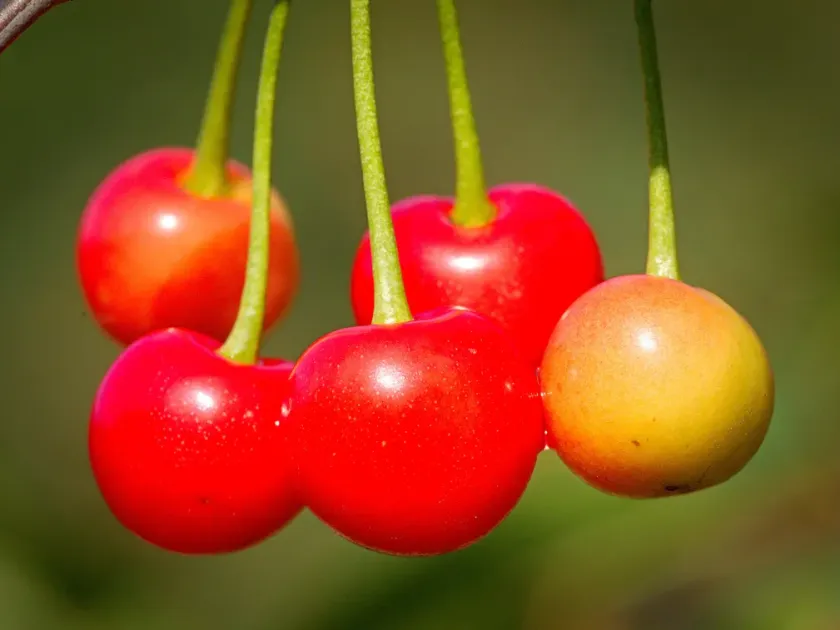
Description
Growing requirements
Duke cherry is an interspecific hybrid derived from crossing sweet cherries (Prunus avium) and sour cherries (Prunus cerasus). Belonging to the Rosaceae family, it combines the cold-hardiness of the sour cherry with the sweet, succulent flavor profile characteristic of the sweet cherry.
This crop thrives in sunny locations protected from strong winds. The best soil types are fertile loams or sandy loams with a neutral pH and excellent drainage, as stagnant water is detrimental to the tree's health and can lead to root rot.
Successful pollination is a key requirement, as most Duke cherry varieties are self-sterile. Planting sweet cherry trees nearby as pollinators is essential to ensure a productive crop and avoid scenarios with abundant flowering but no fruit set.
Agricultural management involves regular pruning to maintain an open canopy, as many varieties exhibit vigorous vertical growth. Adequate irrigation during the flowering and fruit-swelling stages, combined with balanced fertilization, is vital for high yields.
Duke cherries are highly valued for their significant resistance to cherry leaf spot (coccomycosis), a major disease that often devastates traditional sour cherry orchards. This trait makes the hybrid an excellent choice for regions with humid and cool climates.
Main diseases and pests
Major pests include the cherry fruit fly and aphids, which can severely compromise fruit quality and tree vigor. Implementing integrated pest management, including insecticide sprays before blooming and after harvesting, is highly recommended.
Monilinia blight (brown rot) is a frequent fungal threat that damages blossoms and twigs, requiring swift removal of infected parts. Applying copper-based fungicides in early spring is a proven strategy for reducing the primary inoculum of fungal pathogens.
Protecting young tree trunks from rodents during winter is crucial, often achieved with guards or specialized horticultural fleece. Keeping the area under the canopy free of weeds helps minimize habitats for pests and improves overall tree hygiene.
Lack of canopy airflow leads to microclimatic conditions favorable for fungal growth. Consistent annual thinning of branches is an essential cultural practice that serves both to improve structural development and disease prevention.
If shothole disease is detected, immediate systemic fungicide treatment is required to prevent secondary infections. Maintaining tree health through proper fertilization and watering significantly boosts natural resistance to such diseases.
Harvesting
Harvesting usually occurs between June and July, depending on the specific cultivar and local climate. Duke cherries are typically larger than standard sour cherries and possess a more balanced, sweet-tart taste, making them perfect for fresh consumption.
It is essential to pick the fruits carefully, ideally with stems attached, to prevent skin breakage and juice loss. Proper handling during harvest is the most significant factor in maintaining fruit shelf life and marketability.
Maturity is indicated by the development of the cultivar-specific color and a subtle softening of the flesh. Delaying harvest during rainy periods should be avoided, as the fruits are susceptible to cracking due to rapid water uptake.
Prompt cooling of the harvested fruit helps retain quality for several days. Duke cherries are highly versatile, being excellent for fresh market sales, deep freezing, or processing into preserves, jams, and cordials.
Post-harvest care involves deep watering and the application of potassium-rich fertilizers to help trees store energy for winter. This preparation ensures healthy bud set for the following year and strengthens the tree against environmental stressors.