
Almond-leaved peach
Prunus x persicoides (Ser.) M. Vilm. & Bois
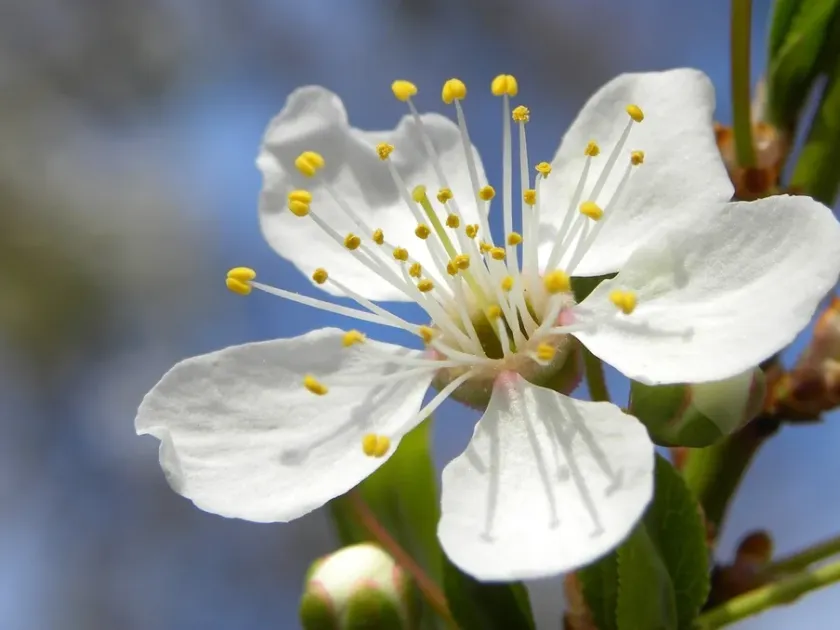
Description
Growing requirements
The almond-leaved peach (Prunus x persicoides) is a spontaneous interspecific hybrid between the common peach and the almond. Belonging to the Rosaceae family, this species is highly valued in horticulture as a robust rootstock that provides excellent adaptability to challenging environmental conditions.
This tree is characterized by a deep and vigorous root system, which makes it particularly resistant to drought. It thrives in well-drained, sandy, or light loamy soils and is known for its tolerance to calcareous substrates, which are often found in arid and semi-arid agricultural regions.
Climatic requirements for the almond-leaved peach include abundant solar radiation and a warm, long growing season. The plant's physiology is well-adapted to high heat, ensuring survival in environments where other standard rootstocks might struggle due to moisture stress or soil composition issues.
Agrotechnical management primarily involves structural pruning to maintain crown health and facilitate adequate airflow within the canopy. Fertilizer application must be carefully balanced to prevent excessive vegetative growth, which could potentially reduce the tree's resilience to winter frost.
The primary economic use of this hybrid is in the nursery industry, where it serves as a reliable rootstock for peaches and nectarines. Its ability to impart vigor and durability to scion varieties makes it an essential component for sustaining high productivity in warm-climate orchards.
Main diseases and pests
Common phytosanitary issues include fungal infections such as leaf curl (Taphrina deformans) and brown rot (Monilinia spp.). Effective management depends on early-season protective sprays and the removal of infected plant material to reduce the inoculum load in the orchard.
Pests such as the oriental fruit moth and various aphid species pose a threat to both young saplings and established trees. A proactive integrated pest management (IPM) strategy, involving regular scouting and targeted interventions, is crucial to maintaining the health and productivity of the trees.