
Cherry plum
Prunus cerasifera Ehrh. x P. persica (L.) Batsch
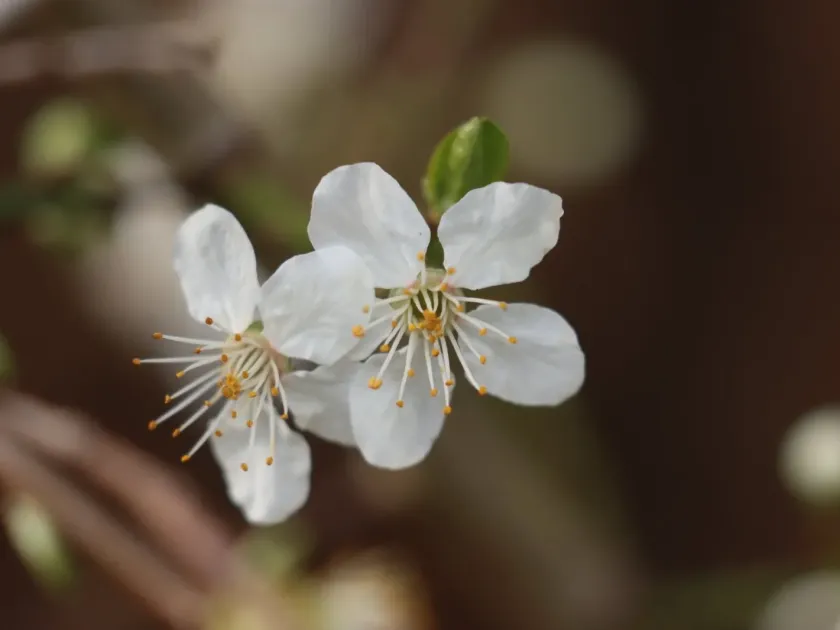
Description
Sowing dates
Planting cherry plum is best performed in the early spring before the buds begin to swell, ensuring the root system can establish itself before the summer heat.
In regions with milder climates, autumn planting is also viable, provided it is completed at least a month before the first hard ground frosts occur.
Selecting the right location is crucial; the cherry plum is a sun-loving plant that thrives in areas with full sun exposure and protection from strong winds.
The spacing between trees should range from 3 to 4 meters, depending on the vigor of the rootstock, which allows for proper airflow and canopy development.
Since most cherry plum varieties are not self-fertile, it is highly recommended to plant at least two or three different varieties together to ensure cross-pollination.
Growing requirements
As a member of the Rosaceae family, the cherry plum is remarkably hardy and adaptable, capable of growing in various soil types, from sandy loams to heavier clays.
Ideally, the soil should be deep, fertile, and have a neutral or slightly alkaline pH to provide optimal conditions for root expansion and nutrient uptake.
While the tree is known for its moderate drought tolerance, adequate moisture during the fruit-set and fruit-swelling stages is essential for high-quality production.
Cherry plums are well-adapted to different climate zones and are generally cold-hardy, with many varieties capable of surviving temperatures down to -30°C.
Proper cultivation requires regular soil maintenance, including mulching and balanced fertilization, to maintain high vigor and fruit production levels.
Yield
Cherry plum trees are highly precocious, meaning they begin to bear fruit early, often producing their first yields within two to three years after planting.
Depending on the variety and management practices, a mature, healthy tree can yield between 30 and 80 kilograms of fruit per season, proving to be quite productive.
The fruits are highly valued for their balanced sugar-to-acid ratio and are rich in vitamins and pectin, making them ideal for both fresh consumption and processing.
Consistent annual pruning is necessary to prevent overcrowding and to improve light penetration, which directly impacts the size and flavor of the fruit.
Modern breeding programs have introduced a wide array of cultivars, allowing for a harvest window that spans from mid-summer through early autumn.
Main diseases and pests
The primary health concerns for cherry plum include fungal diseases such as shot hole disease, brown rot, and plum pocket, which can affect leaves and fruit.
Common insect pests include the plum fruit moth, aphids, and mites, which require vigilant monitoring and timely intervention to prevent damage to the crop.
Sanitation is a critical component of disease control; this includes the immediate removal and disposal of mummified fruits and diseased branches from the orchard.
Integrated pest management strategies should prioritize biological controls and minimal chemical usage, particularly during the flowering stage to protect pollinators.
- Use copper-based sprays during dormancy to reduce fungal spore pressure.
- Install pheromone traps to monitor and manage plum moth populations.
Harvesting
The harvest period for cherry plums typically occurs between July and September, depending on the specific cultivar and local environmental conditions.
For fresh market sales, fruit should be picked slightly firm and just before reaching peak maturity to ensure it withstands transport and storage.
Hand-picking is the preferred method for high-quality fruit, as the skin is delicate and prone to bruising if dropped or handled aggressively during the process.
Immediately after harvest, cooling the fruit to temperatures near 2-5°C is essential to extend shelf life and maintain fresh quality for commercial distribution.
Culinary applications for cherry plum are vast, ranging from fresh snacks and desserts to preserves, jams, and traditional savory sauces like tkemali.