
Japanese plum
Prunus salicina Lindl.
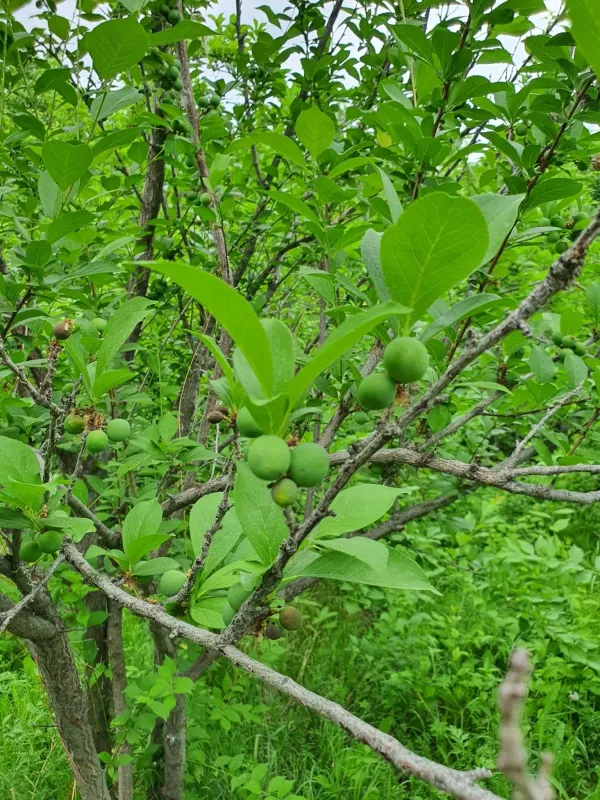
Description
Sowing dates
Planting Japanese plum trees is best performed in early spring before the buds begin to swell. This timing gives the root system sufficient time to establish itself before the intense summer heat sets in.
In regions with milder winters, fall planting is a viable option, provided it is done at least a month before the ground freezes. Applying mulch after planting is essential to protect the roots from temperature fluctuations.
When establishing an orchard, proper spacing is crucial for tree health. Standard spacing ranges from 4 to 5 meters between rows, allowing for adequate light penetration and airflow, which are vital for this species.
Japanese plum trees are generally self-incompatible, meaning they require cross-pollination. It is necessary to plant at least two or three compatible varieties near each other to ensure a bountiful and reliable fruit set.
Proper soil preparation, including the addition of organic matter like compost, is essential for successful planting. Ensure the planting hole is wide enough to accommodate the root ball without crowding or bending the roots.
Growing requirements
Japanese plums thrive in sunny locations with well-drained, fertile soil. Full sun exposure is non-negotiable for achieving high sugar content and proper fruit development during the ripening process.
The soil should have a near-neutral pH level. While these trees are adaptable to various soil types, they absolutely cannot tolerate waterlogged conditions, which lead to root rot and tree decline.
Consistent moisture management is key during the growing season. Irrigation should be adjusted based on rainfall, ensuring the soil remains moist but not saturated, especially during the fruit-sizing stage.
These trees exhibit good hardiness, but their early blooming habit can make them vulnerable to late spring frosts. Site selection that avoids frost pockets can help protect the developing blossoms.
Pruning is a yearly necessity. The Japanese plum is a vigorous grower and requires consistent thinning of the canopy to keep the center of the tree open to light and to stimulate new fruiting wood production.
Yield
With correct orchard management, Japanese plum trees are exceptionally productive. They are known for early fruiting, often beginning to bear crops within two to three years after being planted in the orchard.
The weight and quality of the fruit are heavily influenced by the nutritional program. Balanced fertilization during the spring and mid-summer promotes both healthy foliage growth and large, flavorful fruit.
Fruit thinning is a vital horticultural practice. Removing excessive fruit allows the tree to focus its energy on a smaller number of high-quality, larger plums, preventing limb breakage and tree exhaustion.
Yields are maximized when competition for nutrients and water is minimized. Regular weeding around the base of the tree ensures that all resources are directed towards the fruit and vegetative growth.
The commercial success of the crop depends on maintaining tree vigor through rejuvenation pruning. Removing older wood and encouraging younger, more productive branches keeps the orchard yielding at high levels.
Main diseases and pests
Common fungal threats include shot-hole disease (Stigmina carpophila), which causes leaf spotting and can weaken the tree if left untreated. Fungicide sprays during the dormant season are standard practice.
Brown rot (Monilinia) is particularly destructive during wet springs. It targets blossoms and ripening fruit, requiring vigilant orchard sanitation, including the prompt removal of all mummified fruit from the tree.
The plum curculio and aphids are frequent pests. Effective control involves monitoring programs and targeted treatments to protect the developing crop and maintain overall tree health throughout the season.
Bacterial diseases can also infect these trees through pruning wounds. It is essential to use sterilized pruning tools and perform cuts during dry weather to minimize the risk of pathogen entry.
- Maintain strict orchard hygiene by removing dropped fruit.
- Use pheromone traps to monitor and manage insect populations.
- Apply white latex paint to trunks to prevent winter sunscald.
Harvesting
Harvesting Japanese plums should be approached with care as the fruit ripens unevenly. Multiple passes through the orchard allow for picking individual fruits at their peak maturity for local markets.
For fruits intended for storage or long-distance shipping, harvesting at a firm, slightly under-ripe stage is ideal. These plums will finish ripening during storage, maintaining their texture and flavor.
Harvesting must occur during dry conditions. Moisture on the skin increases the susceptibility to bruising and decay, significantly reducing the shelf life of the harvested fruit after it reaches storage.
Gentle handling is mandatory. Because Japanese plums are delicate, any pressure or mishandling during the picking process creates entry points for decay-causing fungi that can ruin a harvest.
Post-harvest cooling is the most effective way to extend shelf life. Rapidly moving the fruit into a cold storage facility slows down the respiration rate, preserving the crisp, juicy quality of the plums.