
Yama-zakura
Prunus serrulata Lindl. var. lannesiana (Carrière) Makino
Description
Growing requirements
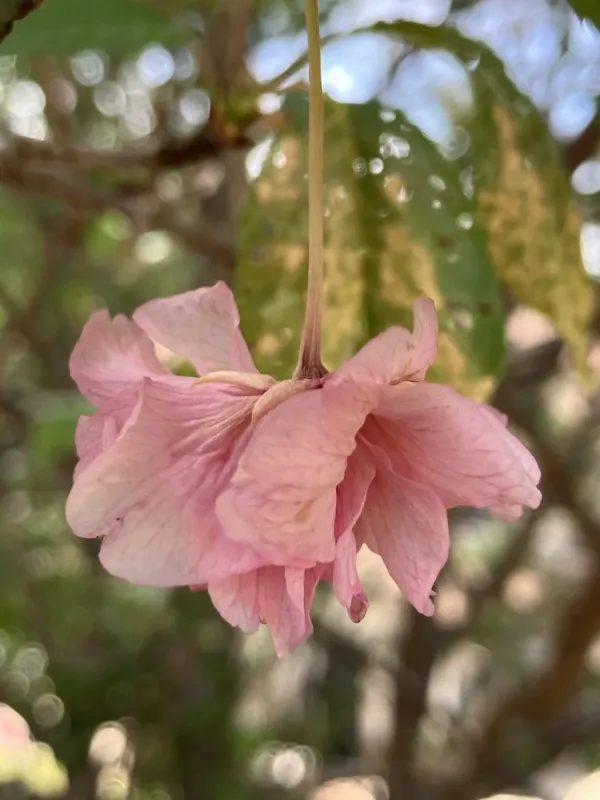
Yama-zakura (Prunus serrulata var. lannesiana) is an ornamental deciduous tree belonging to the Rosaceae family. It is recognized for its elegant growth habit and the spectacular blossoms that define the traditional aesthetics of temperate forest gardens.
The culture thrives in well-drained, fertile soil that maintains a consistent moisture level throughout the growing season. It performs best in a pH range that is neutral to slightly acidic, which supports optimal nutrient uptake for healthy development.
Exposure to full sunlight is essential for this species to ensure vigorous flowering and structural stability. While it is hardy in many climates, the tree should be placed in a location protected from harsh winds to prevent mechanical damage to the delicate branches.
Standard agrotechnical practices for this cherry include periodic mulching to retain soil moisture and nutrient supplementation during early spring. Strategic pruning, performed after the blooming period, ensures a balanced crown and prevents the growth of dead or diseased wood.
In terms of agricultural and horticultural use, Yama-zakura serves as a premium specimen tree for landscaping projects and urban forestry. Its biological resilience and iconic aesthetic make it a staple in public parks and private arboretums globally.
Main diseases and pests
The species is susceptible to common stone fruit pathogens, particularly brown rot (Monilinia) and cherry leaf spot, which can severely impact foliage quality. Maintaining proper air circulation within the tree canopy is a key preventative measure against these fungal issues.
Insect pests, such as aphids and scale insects, often target stressed specimens during dry periods. Effective pest management strategies involve monitoring the undersides of leaves and applying horticultural oils or appropriate biological controls when infestation thresholds are exceeded.