
Hybrids of sand cherry, Japanese plum and cherry plum
Hybrids between Prunus pumila, Prunus salicina and Prunus cerasifera
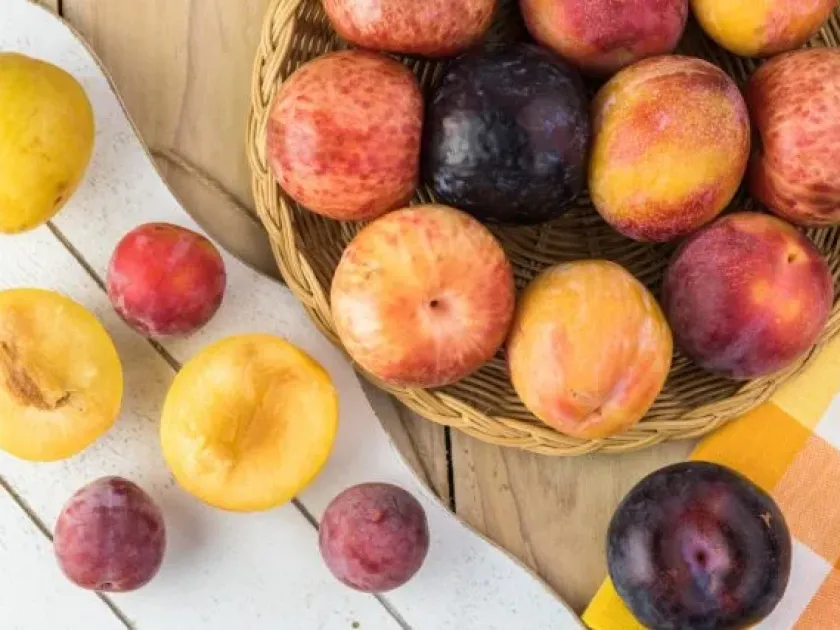
Description
Growing requirements
These complex interspecific hybrids belong to the Rosaceae family and are result of hybridization between hardy sand cherries, productive Japanese plums, and adaptable cherry plums.
They require well-drained, fertile soil and open sunny locations to ensure proper growth and fruit development. Waterlogging must be avoided to prevent root diseases.
The culture is characterized by excellent cold hardiness inherited from the sand cherry parent, making it suitable for regions with harsh winter conditions.
Proper orchard management involves regular pruning to prevent canopy density, which facilitates better light penetration and air circulation throughout the tree.
These plants are highly valued in modern breeding as they combine resilience with superior fruit quality, serving both as high-yield fruit trees and hardy rootstocks.
Main diseases and pests
The primary health concerns include fungal infections such as brown rot and shot hole disease, which can impact both foliage and the development of the fruits.
Pest management is crucial, focusing primarily on controlling plum fruit moths and aphids which, if left unchecked, can significantly degrade the harvest quality.
Integrated pest management strategies are recommended, combining mechanical, biological, and chemical methods to ensure sustainable orchard health throughout the season.
Sanitation practices, such as removing fallen leaves and pruning infected twigs, are essential for reducing the inoculum level of pathogens for the following year.
Regular monitoring of tree bark and trunk health is also necessary to prevent bacterial infections that can affect vigor and longevity in sensitive hybrids.
Harvesting
Harvesting is typically performed in stages, as fruits may ripen unevenly due to the mixed genetic background of the interspecific hybrid parents.
Ripeness is indicated by a deep, uniform skin color and a slight softening of the fruit texture, accompanied by a sweet, aromatic scent profile.
Fruits should be handled with care during the harvest process to prevent bruising, as the skin of these hybrids can be delicate depending on the variety.
Post-harvest handling should involve immediate cooling to preserve the sugar content and acidity balance required for fresh consumption or processing.
These hybrids are highly versatile in culinary applications, being suitable for fresh eating, preserves, and premium juice production due to their unique flavor profiles.