
European plum
Prunus domestica L. subsp. domestica
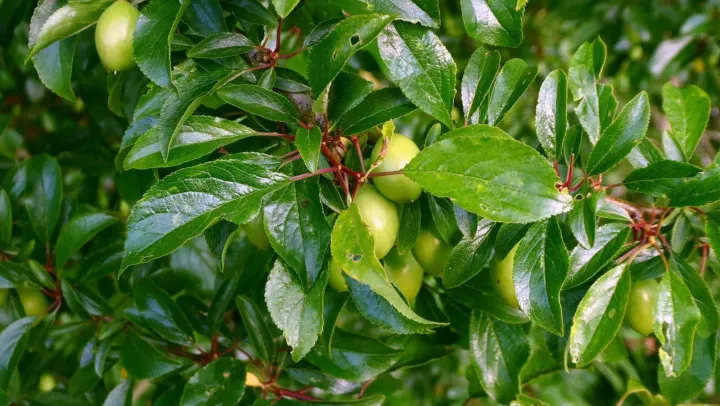
Description
Growing requirements
The European plum (Prunus domestica L. subsp. domestica) belongs to the Rosaceae family. It is a deciduous tree that is widely cultivated in temperate regions for its edible stone fruits, which are highly valued for their nutritional and culinary properties.
This crop thrives in well-drained, fertile soils with a pH ranging from neutral to slightly alkaline. It requires full sun exposure for optimal fruit development and to minimize the risk of fungal infections associated with high humidity and stagnant air.
Site selection should avoid low-lying areas where cold air collects, as the flowers are sensitive to late spring frosts. Proper soil moisture management is essential, as the roots are susceptible to damage if the soil becomes waterlogged or overly compacted.
Regular agricultural practices, including balanced fertilization and precise pruning, are necessary for high yield. Pruning should be performed annually to remove deadwood, open the canopy for better sunlight penetration, and maintain the structural integrity of the tree.
Different cultivars exist, varying in their winter hardiness and chill hour requirements. Growers must select varieties that are specifically adapted to their regional climate to ensure regular annual cropping and tree longevity.
Yield
The yield of a European plum tree depends on its age, rootstock, and variety. Mature trees can produce significant volumes of fruit, which are typically processed into jams, jellies, or dried into prunes, a significant commodity in international trade.
Commercial plantations often implement intensive management techniques to achieve uniform yields. Consistent irrigation and soil fertility programs are the cornerstones of successful stone fruit production in professional orchards.
Main diseases and pests
The primary threats include fungal diseases like black knot, brown rot, and leaf spot, which can severely reduce yields. Sanitation, such as removing infected twigs and proper spacing, is a vital part of integrated pest and disease management.
Insect pests such as the plum curculio, aphids, and various mite species frequently affect plum orchards. Monitoring and the application of pesticides or biological control agents are often required to maintain tree health throughout the growing season.
Harvesting
Harvesting usually occurs in late summer or early autumn. Fruits are hand-picked at different stages of maturity depending on whether they are intended for fresh market consumption or industrial processing and drying.
Proper harvesting techniques are crucial for fruit quality. Handling fruits carefully to prevent bruising and maintaining the natural waxy cuticle layer are essential steps for extending the post-harvest shelf life and marketability of the produce.