
Coyo
Persea schiedeana Nees
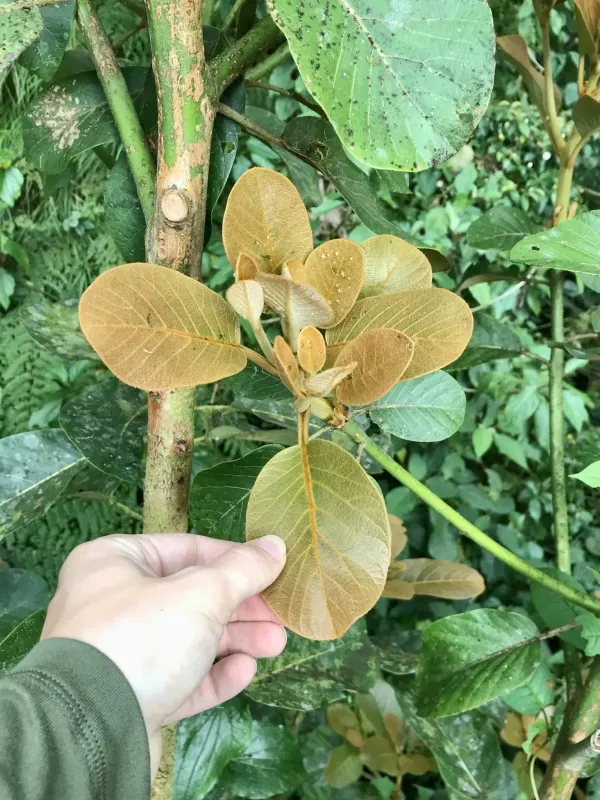
Description
Growing requirements
Persea schiedeana, commonly known as Coyo, is an evergreen tree belonging to the Lauraceae family. It is a close relative of the commercial avocado, native to tropical regions of Central and South America where it thrives in humid conditions.
The tree requires deep, fertile, and well-drained soils to prosper. It is extremely sensitive to waterlogging, which often leads to root rot; therefore, selecting an elevated site with excellent drainage is a mandatory step for farmers.
Climatic requirements focus on a steady tropical warmth with temperatures ranging between 20°C and 28°C. The species is sensitive to strong, desiccating winds that can damage both foliage and sensitive flower buds.
Adequate moisture levels are crucial for the tree's health, particularly during the early stages of development. In regions with distinct dry seasons, supplemental irrigation is often implemented to ensure sustained growth and yields.
Full sun exposure is preferred for optimal photosynthesis. While younger specimens benefit from slight shading to prevent leaf burn, mature trees require extensive sunlight to reach their full productive potential.
Yield
The fruit of the Coyo tree is characterized by its high oil content and creamy consistency, similar to the common avocado. It is highly valued in local markets for its nutritional profile and versatility in various culinary dishes.
Yield capacity improves as the tree matures, typically reaching peak production after the first decade of growth. Productivity is highly dependent on effective pollination and the availability of soil nutrients during the fruit-setting phase.
Harvesting is typically done manually, involving multiple picking cycles to ensure that fruits are collected at the appropriate level of maturity. This careful approach helps to preserve the delicate texture of the fruit for the consumer.
Beyond its culinary uses, the wood of Persea schiedeana is utilized for timber. Once a tree becomes less productive, its wood is often harvested for local carpentry projects, highlighting the plant's multiple economic benefits.
Efficient orchard management includes regular pruning to maintain a manageable canopy size. This practice facilitates easier harvesting and improves air circulation, which is vital for preventing disease outbreaks within the tree crown.
Main diseases and pests
Root rot caused by Phytophthora species is the most significant threat to Persea schiedeana plantations. It is often exacerbated by poor drainage, emphasizing the need for strictly controlled soil moisture levels.
Insect pests, such as mites and scale insects, frequently infest the foliage. These pests weaken the plant by feeding on its sap, which can lead to reduced vigor and decreased fruit production if not addressed in a timely manner.
Disease management strategies rely heavily on prevention, including the use of certified healthy nursery stock and regular orchard monitoring. Sanitation, such as removing fallen leaves or infected branches, is also critical for success.
Integrated Pest Management (IPM) is the recommended approach to controlling harmful insects. This involves the use of natural predators, cultural practices, and selective bio-pesticides that minimize environmental impact.
Consistent adherence to agronomic best practices, such as maintaining soil health and preventing physical damage to the trunk, greatly enhances the tree's natural resistance against common environmental stresses and pathogens.