
Actinidia deliciosa
Actinidia deliciosa (A. Chev.) C. F. Liang & A. R. Ferguson
Description
Growing requirements
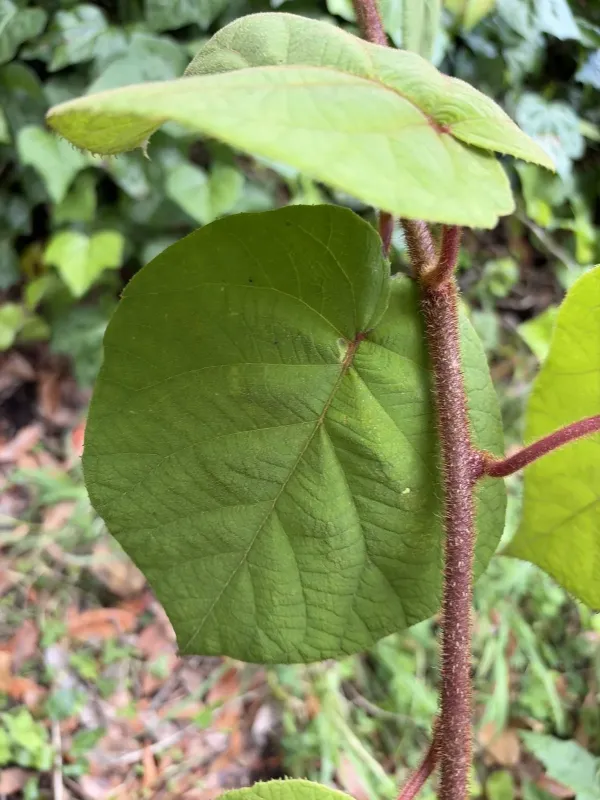
Actinidia deliciosa, commonly known as the fuzzy kiwifruit, is a vigorous deciduous vine belonging to the Actinidiaceae family. Originating from the mountainous regions of South-Central and Southwest China, it has become a globally significant commercial fruit crop, primarily cultivated in temperate and subtropical zones.
The plant thrives in regions with a long growing season and moderate temperatures. It requires a site that is well-protected from strong winds, which can damage the large, heart-shaped leaves and brittle stems of the vine. Adequate sunlight is crucial for fruit development and sugar accumulation.
Optimal soil conditions for kiwi cultivation include deep, fertile, and well-drained soils with a slightly acidic pH. The root system is relatively shallow and sensitive to waterlogging; therefore, maintaining consistent soil moisture without saturation is vital for healthy vine growth.
Cultivation requires robust support systems, typically T-bar or pergola trellises, to train the woody vines effectively. Regular winter and summer pruning is a fundamental practice to manage canopy density, promote light penetration, and ensure the production of high-quality fruiting wood.
Beyond its culinary appeal, the crop is valued for its dense nutritional profile, being an excellent source of Vitamin C, Vitamin K, and dietary fiber. Its use in global trade and food processing industries makes it one of the most economically significant specialty fruit crops.
Main diseases and pests
Actinidia deliciosa is susceptible to various phytopathological challenges, most notably Pseudomonas syringae pv. actinidiae (PSA), a devastating bacterial canker. This pathogen causes necrosis of leaves, stems, and blossoms, necessitating strict orchard sanitation and quarantine practices.
Fungal diseases, including Botrytis cinerea (gray mold) and Phytophthora root rots, pose a constant threat, especially in regions with high precipitation or poor drainage. These pathogens can significantly reduce fruit shelf life and plant vigor if left unmanaged.
Pest pressure often includes leafhoppers, scale insects, and mites that suck plant sap, leading to stunted growth and reduced fruit quality. Monitoring programs are essential to detect infestation levels early, allowing for targeted control measures.
Integrated Pest Management (IPM) strategies are highly recommended to control pests and diseases while minimizing chemical usage. This includes the use of beneficial insects, resistant cultivars, and cultural practices that favor vine health and discourage pathogen development.
Maintaining orchard hygiene through the removal of infected plant material and the disinfection of pruning tools is critical. A balanced fertilization program, preventing excessive nitrogen, also plays a role in reducing susceptibility to various pests and diseases.
Harvesting
Harvesting kiwifruit is a precision process based on maturity indices, specifically the Brix level (sugar content) and flesh firmness. Unlike many other fruits, kiwifruit is typically harvested while still hard and completes its ripening process in storage or during transit.
Manual harvesting is the standard, involving the clipping of fruit stalks to prevent damage to the delicate skin. Workers must exercise caution, as bruised fruit is highly prone to rapid decay and secondary infection once in storage.
Post-harvest handling involves rapid cooling to remove field heat, which helps slow down the metabolic rate of the fruit. Proper temperature management, ideally near 0 degrees Celsius, is essential for extending the storage life of the fruit for several months.
The final ripening stage is often managed through ethylene treatment in dedicated chambers to ensure consistent texture for the consumer. This controlled process is vital for providing uniform product quality in the competitive retail market.
Packing and grading are performed to separate fruit by size and quality, ensuring that premium fruit reaches the target markets. Consistent adherence to post-harvest protocols allows producers to maximize the value and marketability of their kiwifruit crops.