
Actinidia deliciosa
Actinidia deliciosa (A. Chev.) C. F. Liang & A. R. Ferguson x A. valvata Dunn
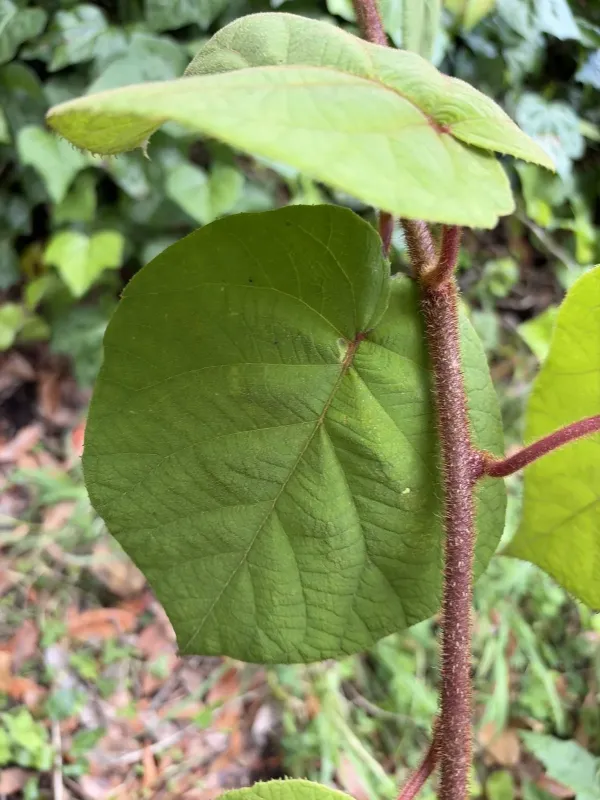
Description
Sowing dates
Actinidia deliciosa, commonly known as kiwifruit, is a vigorous deciduous vine belonging to the Actinidiaceae family. In commercial agriculture, propagation is predominantly performed through vegetative means, such as grafting or hardwood cuttings, to ensure the consistent genetic quality and fruit traits of the chosen cultivar.
When seeds are used for research or breeding, they are sown in a well-draining, sterile medium under controlled greenhouse conditions. Maintaining a consistent temperature between 20 and 22 degrees Celsius and high humidity is essential for successful germination and the initial development of the young seedlings.
Planting in the field is usually scheduled for early spring, once the risk of frost has passed. Kiwifruit is dioecious, meaning separate male and female plants are required. Growers must plant male pollinators in a specific ratio among the female productive vines to facilitate successful cross-pollination by insects.
Selecting the right site is crucial, as the plants prefer areas shielded from strong winds, which can damage the large leaves and brittle vines. Providing high levels of sunlight is vital for the ripening of the wood, which in turn improves the plant’s resilience and its ability to set flower buds for the following year.
Since the plant is a vigorous climber, robust trellis systems are a fundamental component of its agronomy. Regular annual pruning is necessary to manage the canopy, facilitate sunlight penetration, and ensure that the plant redirects its energy toward fruit production rather than excessive vegetative growth.
Growing requirements
Kiwifruit thrives in deep, fertile, and well-aerated soils. Loam or sandy loam textures with a slightly acidic to neutral pH (5.5–7.0) are ideal for optimal root health and nutrient uptake. Heavy clay soils prone to waterlogging should be avoided, as the roots are highly susceptible to rotting.
Water management is one of the most critical aspects of kiwifruit production. Due to their large leaf surface area, the vines have high transpiration rates and require consistent, frequent irrigation throughout the growing season, typically achieved through efficient drip irrigation systems.
Climate is a major limiting factor for Actinidia deliciosa. It requires a relatively long growing season and protection from extreme temperatures. Many cultivars are sensitive to freezing; therefore, in colder regions, protection methods or selecting microclimates are essential for the survival of the vine.
Nutrient requirements include balanced fertilization with nitrogen, phosphorus, and potassium, alongside necessary micronutrients. Iron and magnesium deficiencies are common in high-pH or compacted soils, leading to chlorosis, which can significantly reduce the photosynthetic capacity and overall plant vigor.
Soil structure management through the application of organic mulch is highly recommended. Mulching helps to preserve soil moisture, suppress weed growth, and maintain a stable temperature in the upper root zone, which is critical for the shallow-rooted nature of this vine species.
Yield
The yield of Actinidia deliciosa varies based on the age of the orchard, the specific cultivar, and the quality of horticultural management. Typically, commercial vines start showing a modest yield by the third or fourth year, reaching full production capacity between the seventh and tenth years.
Under optimal conditions, a mature, well-tended vine can produce between 30 and 60 kilograms of fruit per season. Maximizing yield depends heavily on precise pruning techniques that balance the number of canes and ensure high-quality pollination throughout the flowering window.
Kiwifruit has significant economic importance globally, marketed for both fresh consumption and various processed products like juices, dried fruit, and concentrates. Its high nutritional profile, rich in Vitamin C and dietary fiber, continues to drive demand in the healthy foods sector.
Pollination efficiency is the primary driver of fruit size and shape. Since kiwi flowers do not produce nectar, they are less attractive to honeybees; therefore, growers often place hives in the orchard or use supplemental hand-pollination methods to ensure that every flower is adequately fertilized.
Post-harvest shelf life is one of the competitive advantages of kiwifruit. If harvested at the correct stage of physiological maturity, the fruit can be stored in controlled-atmosphere cold storage for several months, allowing producers to distribute the harvest throughout the off-season.
Main diseases and pests
Bacterial Canker, caused by Pseudomonas syringae pv. actinidiae (PSA), is currently one of the most devastating diseases affecting kiwifruit. It causes leaf spots, cane dieback, and the oozing of red-brown exudate, often leading to the rapid decline and death of the entire vine.
Botrytis cinerea, or gray mold, is a common fungal threat, particularly during wet and humid ripening periods. It can cause significant fruit rot both in the field and during storage. Preventive measures include canopy management to ensure air circulation and the application of targeted fungicides.
Various pests, including scale insects, leafhoppers, and mites, can weaken the vines by feeding on sap and foliage. These infestations often lead to reduced vigor and can serve as vectors for other plant diseases. Regular monitoring and integrated pest management (IPM) strategies are vital.
Root-knot nematodes are significant soil-borne pests that affect the health of the root system, causing stunting and yellowing. Using nematode-resistant rootstocks and maintaining healthy, organic-rich soil are the primary methods for managing these invisible but persistent threats to the orchard.
- Implement strict hygiene protocols for pruning tools to prevent disease spread.
- Regularly remove and destroy symptomatic plant material from the orchard.
- Maintain balanced plant nutrition to boost natural resistance to pests.
- Invest in certified, virus-free nursery stock for initial planting.
- Use pheromone traps for early detection of insect population spikes.
Harvesting
Harvesting is performed when the fruit reaches the required level of total soluble solids (Brix), indicating sufficient sugar content. Kiwifruit must be harvested while still firm to withstand post-harvest handling and transport, as they continue to soften during storage and ripening.
The harvest is conducted manually by trained pickers who cut the stems, ensuring that the fragile skin is not nicked or bruised. Gentle handling during the transfer from the field to the packing house is essential to maintain the fruit's quality and extend its marketability.
Immediately after harvest, fruit should be cooled to remove field heat and then stored in cold rooms at temperatures close to 0°C. Maintaining high relative humidity during this phase prevents dehydration and shriveling of the skin, which is crucial for the premium aesthetic expected by consumers.
Before reaching the retail shelf, kiwifruit may be brought to room temperature to trigger ripening. Exposing the fruit to controlled amounts of ethylene gas can ensure uniformity in the ripening process, providing consumers with fruit that has the desired texture and flavor profile.
Quality control during the sorting and packing process is the final step. Grading based on weight, size, and external appearance ensures that each container meets uniform standards, minimizing losses and maximizing returns in competitive domestic and international produce markets.