
Actinidia valvata
Actinidia valvata Dunn
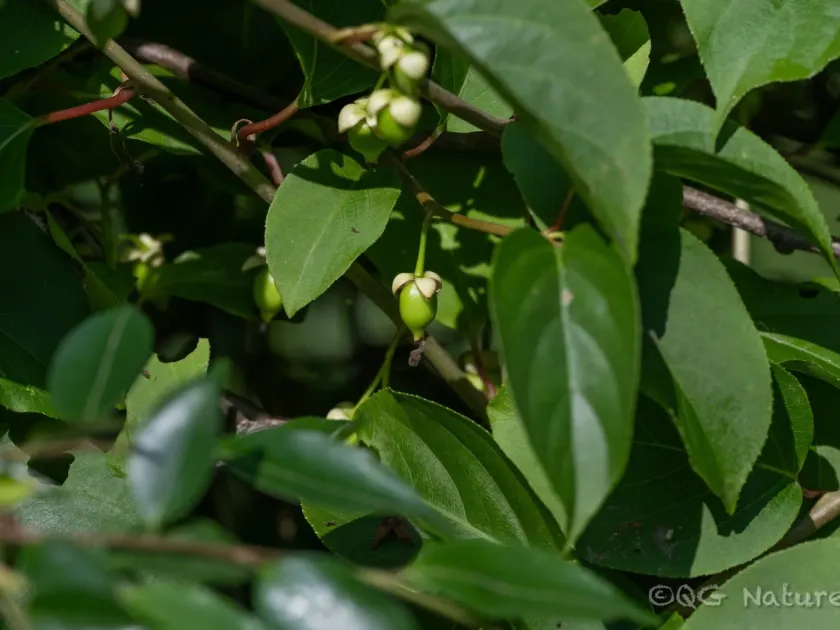
Description
Growing requirements
Actinidia valvata is a woody deciduous vine belonging to the Actinidiaceae family. Native to the woodlands of China, this plant thrives in temperate climates characterized by sufficient moisture and seasonal stability, commonly growing in mountainous valleys.
The plant requires fertile, well-draining soil with a slightly acidic to neutral pH level. It is highly sensitive to waterlogged conditions, making effective drainage systems essential when planting in heavy clay soils to prevent root decay and ensure healthy development.
Regarding climate requirements, Actinidia valvata prefers semi-shaded environments, especially during its initial growth stages. While mature plants are more resilient, they still benefit from protection against harsh, direct midday sunlight that can scorch their broad foliage.
Adequate support structures, such as sturdy trellises or pergolas, are mandatory for this climbing species. The vines are vigorous and need sufficient horizontal space to spread their foliage, which facilitates optimal air circulation and light distribution across the canopy.
Being a dioecious species, it is necessary to plant both male and female vines in close proximity to facilitate pollination by insects. A common agricultural practice involves maintaining a specific ratio of male to female plants to ensure maximum fruit set.
Yield
The fruits of Actinidia valvata are small, flavorful berries that possess significant nutritional potential. They are rich in vitamin C and antioxidants, making them a subject of interest for both amateur gardeners and researchers focused on new fruit-bearing cultivars.
In terms of utilization, these berries are versatile in the kitchen. They can be consumed fresh or processed into various preserves, jams, and jellies, which leverage their natural pectin content and distinct acidic profile typical of the Actinidia genus.
Yield consistency relies heavily on proper pruning techniques. By limiting the growth of excess vegetative branches, energy is redirected toward the maturation of fruit, leading to larger berries and improved overall plant vigor throughout the harvest season.
Fertilization schedules should include balanced organic compost applied in early spring, followed by supplemental potassium during the fruit development stage. This helps in enhancing the sugar content and structural integrity of the berries before harvest.
Harvesting requires careful handling due to the thin skin of the fruit. Growers typically pick the berries once they reach full physiological color, storing them in ventilated containers to prevent early spoilage and maintain their culinary quality for a longer duration.
Main diseases and pests
Common botanical threats include fungal infections, particularly leaf spot diseases caused by high humidity and poor airflow. Managing canopy density through regular pruning is the primary method to minimize these risks and ensure the long-term health of the vine.
Pests such as mites and certain leaf-eating beetles can occasionally impact the plant, especially if it is under stress from drought or nutrient deficiency. Maintaining consistent moisture levels is vital for bolstering the plant's natural resistance to these intruders.
Feline attraction is a documented issue for the Actinidia genus, as the roots and young shoots contain compounds that appeal to cats. Protective fencing or mesh around the base of the plant is highly recommended for younger specimens to prevent physical damage.
Sanitation practices in the orchard, such as removing fallen leaves and pruning infected twigs, are crucial for preventing the overwintering of pathogens. Keeping the area under the vine clear and mulched helps maintain soil quality and prevents soil-borne disease transmission.
Integrated pest management strategies should be prioritized, focusing on cultural practices rather than heavy pesticide use. Regular inspections during the peak of the growing season allow for the early detection and management of localized infestations before they spread.