
Actinidia kolomikta
Actinidia kolomikta Maxim.
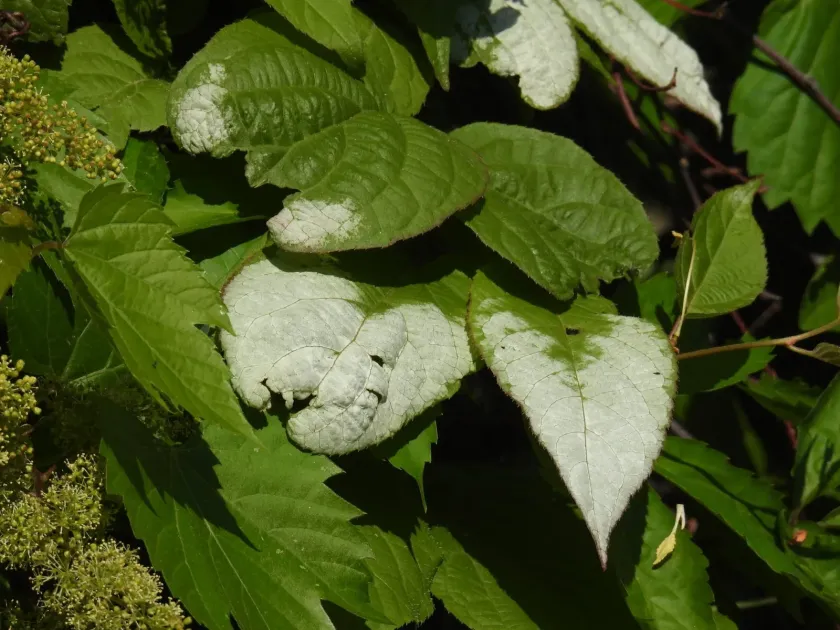
Description
Growing requirements
Actinidia kolomikta is a perennial deciduous woody vine belonging to the Actinidiaceae family. It is native to the forests of East Asia, primarily the Far East, Japan, and Korea, where it thrives in moist, temperate climates.
This species is exceptionally cold-hardy, capable of surviving temperatures as low as -40 degrees Celsius, which makes it an ideal fruit crop for northern regions where other kiwi species cannot grow.
The plant is dioecious, meaning separate male and female plants are required for pollination and fruit set; typically, a ratio of one male per five females is recommended for optimal productivity.
It prefers well-drained, fertile, and slightly acidic soil with plenty of organic matter. It performs best in partial shade, although it can adapt to sunny spots if water availability is consistently maintained.
Regular maintenance involves installing sturdy trellising systems for the vines to climb. Pruning is essential to manage the plant's vigor, remove dead wood, and ensure adequate light penetration for fruit development.
Main diseases and pests
One of the most notable challenges in cultivating this plant is the attraction it holds for cats; young vines are often severely damaged by cats attracted to the volatile oils in the plant's roots and stems.
Fungal issues such as leaf spot (phyllosticta) can occur, especially in poorly ventilated or excessively humid conditions, leading to premature defoliation.
Powdery mildew is another occasional concern that can weaken the plant and reduce its photosynthetic efficiency during the peak summer months.
Pest problems are generally minor, although occasional attacks by leaf-eating beetles or caterpillars can occur, usually not requiring heavy pesticide intervention.
Providing physical protection, such as wire mesh cages for young plants, is the primary and most effective method to prevent damage by animals.
Harvesting
Harvesting usually takes place in late summer, typically August or September, depending on the specific cultivar and the local microclimate of the garden.
The berries do not ripen all at once; they tend to mature unevenly, necessitating multiple pickings throughout the harvest season to catch them at their peak.
As the berries become soft and aromatic when fully ripe, they tend to drop from the vine easily, so spreading nets or tarps beneath the vines can help collect falling fruit.
The fruit is highly perishable due to its thin skin and high moisture content, meaning it should be handled with care and consumed or processed shortly after collection.
In addition to fresh consumption, Actinidia kolomikta berries are excellent for making preserves, jams, and drying, offering a dense source of Vitamin C and other antioxidants.