
Actinidia chinensis
Actinidia chinensis Planch. x Actinidia deliciosa (A. Chev.) C. F. Liang & A. R. Ferguson
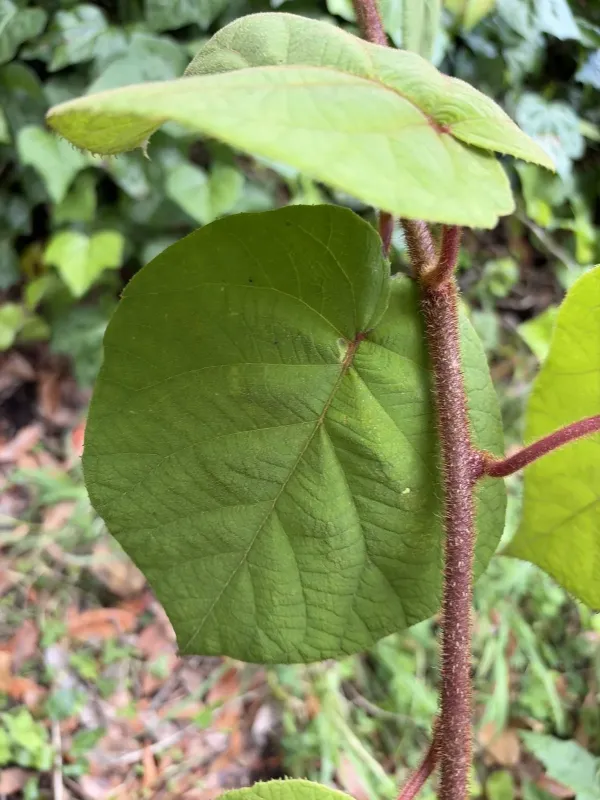
Description
Growing requirements
Actinidia chinensis, often associated with the commercially important Actinidia deliciosa, is a vigorous deciduous vine belonging to the Actinidiaceae family. It is native to temperate and subtropical regions of China, where it evolved in forest clearings.
The plant thrives in deep, fertile, well-draining soils with a slightly acidic pH. It is particularly sensitive to waterlogging, so soil structure and drainage capacity are critical factors when selecting a site for commercial plantations.
Climate requirements include a long growing season with high humidity and protection from harsh winds. The species is sensitive to late spring frosts, which can devastate newly emerging growth, and requires adequate warmth to mature its fruit properly.
Agricultural management requires sturdy trellis systems, as the vines are naturally heavy and possess strong twining habits. Pruning is essential to train the vine along the support structure and ensure sufficient light penetration.
Irrigation is the most vital aspect of cultivation; consistent soil moisture must be maintained throughout the growing season, especially during fruit development, due to the high transpiration rate of the large leaves.
Yield
The economic value of Actinidia chinensis lies in its production of kiwi fruit, which are highly prized globally for their vitamin C content, dietary fiber, and unique flavor profiles.
Kiwi plants are dioecious, meaning separate male and female plants are necessary for pollination. Successful commercial production depends heavily on the ratio of male pollinators to female plants and the activity of pollinators such as bees during the flowering period.
Productivity is managed through meticulous pruning and thinning of fruit clusters. Well-maintained mature vines can produce significant yields, though this varies greatly depending on the cultivar, climate, and local management practices.
Standardized fruit size is a key marketing goal. Farmers often implement thinning programs to remove excess fruit, ensuring that the remaining crop reaches the high size and sugar content standards demanded by retailers.
Advances in breeding have focused on improving the balance of sugar and acidity, as well as developing varieties that are more resilient to the stresses of mechanical harvesting and long-distance transport.
Main diseases and pests
Actinidia chinensis faces severe threats from pathogens such as the bacterial canker Pseudomonas syringae pv. actinidiae (PSA), which has caused massive losses in kiwi orchards worldwide by killing vines and reducing overall health.
Fungal diseases such as Botrytis cinerea are significant, particularly in wet and cool conditions, causing fruit rot during the ripening phase and storage. Proper airflow management in the canopy is a primary preventive measure.
Insect pests include scale insects and various mites, which can sap plant vigor and leave the vines more susceptible to secondary infections or environmental stress.
Root health is frequently compromised by root-knot nematodes in certain soil types. Integrated pest management (IPM) strategies, including soil testing and resistant rootstocks, are essential for maintaining long-term orchard viability.
Sanitation practices, such as the removal and destruction of infected plant material, play a crucial role in controlling the spread of disease within a commercial plantation.
Harvesting
Harvesting usually occurs when the fruit reaches physiological maturity, monitored through sugar levels and fruit firmness, which are measured using refractometers and penetrometers.
The harvest is labor-intensive as fruits are picked by hand. Careful handling is mandatory to prevent bruising, as any mechanical damage on the skin significantly reduces the shelf life and quality of the kiwi fruit.
Post-harvest management involves rapid cooling to remove field heat, followed by storage in controlled atmosphere environments to slow down the ripening process and maintain the product's freshness.
Timing the harvest is critical; picking too early results in poor sugar levels, while picking too late makes the fruit extremely susceptible to damage during processing and shipping.
Once harvested, kiwis are sorted, graded, and packed according to international quality standards, ensuring consistency in weight and appearance for international supply chains.