
Hardy kiwi
Actinidia arguta (Siebold & Zucc.) Planch. ex Miq.. x Actinidia chinensis Planch.
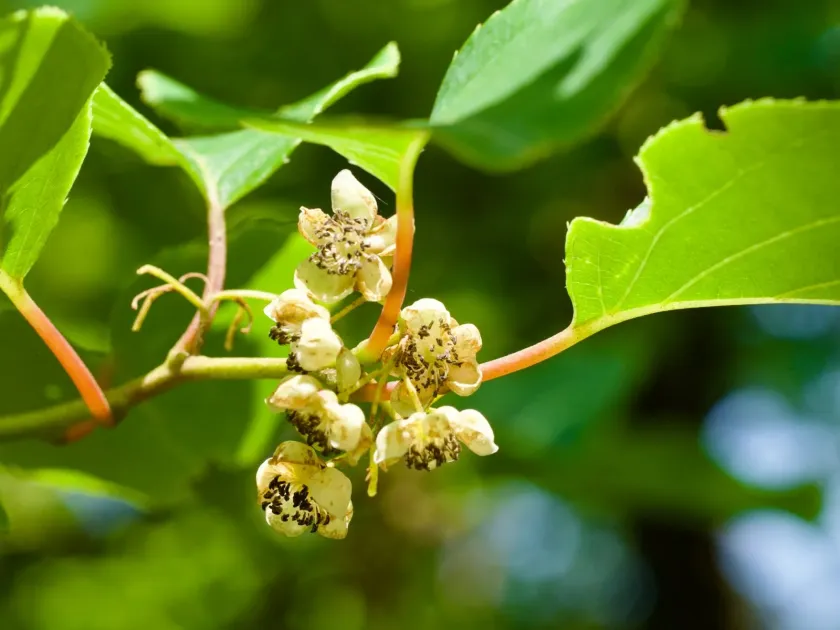
Description
Growing requirements
Hardy kiwi (Actinidia arguta) is a perennial deciduous vine belonging to the Actinidiaceae family. Unlike the common fuzzy kiwi, this species is exceptionally cold-hardy, allowing it to thrive in temperate climates where sub-zero temperatures are common during winter.
Originating from the forests of East Asia, including parts of Siberia, Korea, and Japan, these vines are naturally adapted to climbing up trees for support. In a commercial or garden setting, they require sturdy trellis systems to manage their vigorous growth and facilitate harvesting.
The ideal soil for Actinidia arguta is fertile, well-drained, and slightly acidic to neutral. They are highly sensitive to waterlogged soils, which can lead to root rot; therefore, planting on raised beds or sloped ground is often recommended in areas with heavy clay soils.
While hardy kiwi plants prefer sunny locations, they benefit from some protection during the hottest part of the day. Proper placement should also consider wind exposure, as strong winds can damage the succulent new shoots and lead to excessive moisture loss in summer.
Consistent irrigation is vital, especially during the fruit development phase. Due to their shallow root systems, these vines cannot tolerate prolonged drought; therefore, mulching with organic matter is a standard practice to preserve soil moisture and regulate root temperature.
Yield
The fruit of the hardy kiwi, often called a "mini-kiwi," is a nutrient-dense berry with smooth, edible skin. These berries are highly prized for their high vitamin C content, intense sweetness, and complex flavor profiles, making them a premium produce item.
The species is dioecious, meaning individual plants are either male or female. Growers must plant male pollinators in close proximity to female vines to ensure successful fruit set. Generally, a ratio of one male vine for every five to eight female vines is recommended for optimal yields.
Uses for the harvest range from fresh consumption to culinary applications, including jams, jellies, and pastries. Their small size and lack of fuzz make them an attractive "snackable" fruit that requires minimal preparation for consumers.
Plants typically reach their first productive yields 3–4 years after establishment. As the vines mature, their productivity increases significantly, with a well-maintained, healthy vine potentially producing several dozen kilograms of fruit annually under intensive management.
Harvesting should be handled with care to prevent bruising. Fruit are often picked when they reach a certain level of softness or color change, depending on the specific cultivar, and are then stored in controlled temperatures to ensure a longer shelf life.
Main diseases and pests
Late spring frosts are the primary threat to hardy kiwi production, as they can kill the sensitive buds and emerging shoots. Protecting vines with frost blankets or overhead irrigation systems during cold snaps is a common strategy in frost-prone regions.
Phyllosticta leaf spot is a frequent fungal concern, appearing as necrotic spots on the foliage. It is best managed by pruning for airflow and maintaining good orchard hygiene, which reduces the buildup of inoculum in the environment.
Insect pests, such as the actinidia borer or leaf beetles, can cause localized damage. Integrated Pest Management (IPM) practices, including regular monitoring and the use of biological controls, are preferred to maintain the health of the orchard while minimizing chemical inputs.
A unique challenge with Actinidia arguta is the plant's appeal to domestic cats, which are highly attracted to the scent of the wood and can destroy young plants by chewing on the bark. Protective netting or guards around the base of the vines are essential until the plants reach maturity.
Overall plant vitality is the best defense against disease. Proper pruning, balanced nutrient management via soil testing, and removing dead or dying wood each season help keep the vines robust and resistant to opportunistic pathogens.