
Kochia
Bassia scoparia (L.) A. J. Scott
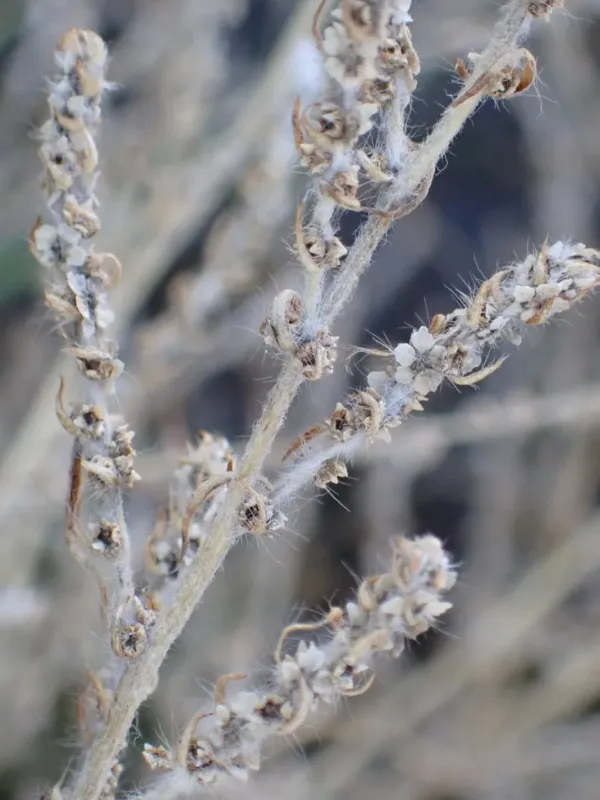
Description
Sowing dates
Kochia is a thermophilic crop, so it should be sown into well-warmed soil. The optimal period is mid-spring, once the risk of late frosts has passed and the topsoil has warmed to at least 10–12 degrees Celsius.
For maximum green mass yield, row or wide-row sowing methods are recommended. The planting depth should be minimal, as the seeds are quite small; a depth of 1–2 centimeters is generally sufficient.
It is important to ensure good contact between the seeds and moist soil after sowing, which is achieved by rolling the field. Early sowing promotes stronger root system development and the formation of a dense canopy.
If the goal is seed production, sowing can be done slightly later so that the maturation period falls during the warmer and drier second half of the summer. The seeding rate varies depending on the purpose, ranging from 5 to 8 kg per hectare.
Kochia seedlings are characterized by high growth energy, though they require weed protection during the initial establishment phase. Choosing the correct sowing time allows the crop to quickly outgrow weeds and form a thick cover.
Growing requirements
Kochia (Bassia scoparia) is a drought-tolerant and salt-tolerant annual plant from the Amaranthaceae family. It adapts perfectly to conditions where other forage crops show low productivity, including saline and dry soils.
The plant has moderate requirements for soil fertility but responds well to nitrogen fertilizers, which stimulate rapid vegetative growth. Kochia grows successfully on chestnut and sandy soils, showing deep root penetration into the soil profile.
For successful development, the crop requires an open, sunny location, as even slight shading leads to elongated, weak stems. High temperatures during the growing season only promote intensive plant development.
The crop possesses a unique ability to withstand prolonged periods of soil and atmospheric drought due to its developed root system and xerophytic leaf structure. Optimal soil moisture is needed only during the germination and early seedling growth stages.
Agronomic requirements include regular inter-row cultivation to conserve moisture and prevent the formation of a soil crust. When these conditions are met, Kochia is capable of producing several cuttings per season while quickly regenerating its green mass.
Yield
The yield of Kochia directly depends on moisture levels and soil fertility. Under irrigation or favorable rainfall, the crop is capable of forming a very high above-ground biomass, suitable for hay or silage production.
With a single cutting, green mass yields can reach 30–50 tons per hectare, depending on the plant stand density. Under intensive management with multiple cuttings, total seasonal productivity increases significantly.
The chemical composition of Kochia green mass is characterized by high crude protein content, making it a valuable feed component for livestock. The nutritional value remains high until the stems begin to lignify.
As seeds mature, the fiber content in the stems increases; therefore, to obtain high-quality feed, it is important to mow before the flowering phase begins. Seed productivity is also significant, ensuring the crop's ability to self-propagate.
Seed yields in specialized cultivation range from 500 to 1000 kg per hectare, allowing for rapid expansion of the crop over large areas. High-quality seeds retain viability for 2–3 years if stored properly.
Main diseases and pests
Kochia is known for its high phytosanitary resistance; however, in the absence of crop rotation, it can be affected by specific diseases. Root rots are most common under waterlogged soil conditions.
In dense plantings with high humidity, powdery mildew can develop on the leaves, negatively affecting the quality of the green mass. Effective control methods include maintaining proper seeding rates and choosing well-ventilated areas.
Among pests, leaf-eating insects and aphids pose the greatest danger, as they can damage young plants in the seedling phase. Regular monitoring of the field allows for the timely detection of infestation spots and the application of biological control measures.
An important aspect is the control of the crop's spread, as it can exhibit aggressive tendencies and infest surrounding areas. Uncontrolled seed scattering can turn Kochia into a persistent weed in adjacent fields.
To prevent pest spread, it is necessary to keep fields clean and carry out high-quality pre-sowing soil treatment. The use of healthy seed material is the key to obtaining strong and disease-resistant crops.
Harvesting
Harvesting time for Kochia depends on its intended use. If the goal is succulent fodder or hay, mowing should be carried out during the period of intensive growth, before flowering, when nutrient content is at its peak.
For hay production, the plants are mowed, withered in windrows, and baled once optimal moisture content is reached. It is important not to let the mass dry out completely to avoid losing valuable leaves, which account for much of the feed's nutritional value.
Harvesting for silage requires chopping the green mass immediately after mowing. Kochia silages well, especially when combined with more carbohydrate-rich crops, resulting in balanced winter feed for livestock.
If Kochia is grown for its decorative or broom-making uses, harvesting is carried out at the end of the growing season, when the stems become tough and acquire their characteristic durability, often turning purple or brown.
Seed harvesting is performed via direct combining during the full maturity phase, when seeds are prone to natural shedding. The speed of the machinery should be adjusted to minimize losses caused by natural seed dispersal.