
Asparagus aethiopicus
Asparagus aethiopicus L.
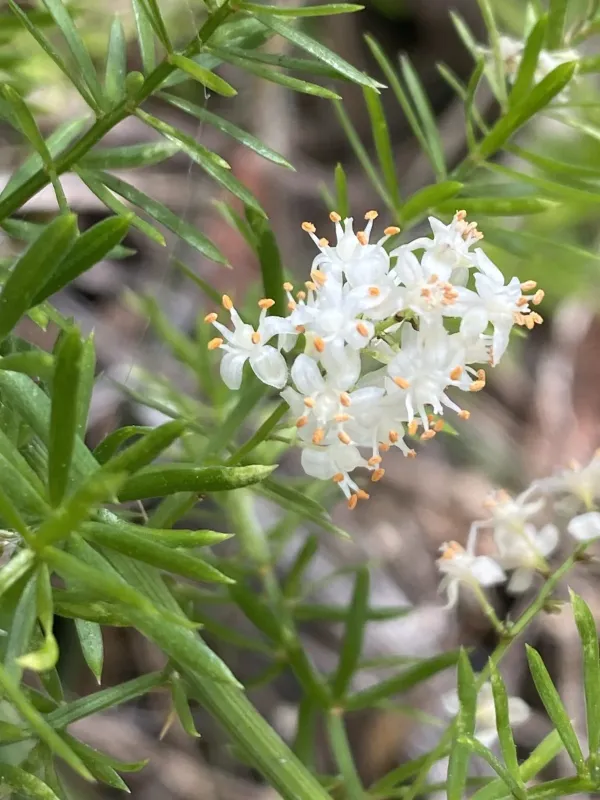
Description
Sowing dates
Propagation of Asparagus aethiopicus is most successfully achieved through division of the rhizomes during the repotting process. This ensures that the new plant establishes itself quickly with a robust root system.
Seed propagation is also possible, usually conducted in early spring. Seeds should be sown in a light, sandy potting mix at a depth of approximately 0.5 to 1 cm to ensure proper germination.
During the germination period, maintain a steady temperature of 20–22 degrees Celsius. Keep the substrate consistently moist but not waterlogged to prevent seed rot before the sprouts emerge.
Seedlings typically appear within three to four weeks. Once the plants reach a size where they develop multiple true leaves, they should be moved into individual containers to allow for further development.
Young plants need protection from direct sunlight and require steady, moderate watering. Annual repotting during the first few years is essential to support the vigorous growth of the fleshy roots.
Growing requirements
Asparagus aethiopicus belongs to the Asparagaceae family and is native to South Africa. It is a perennial herbaceous plant known for its cascading stems and specialized branch-like structures called cladodes.
The plant thrives in bright, indirect light. While it is adaptable to shadier conditions, excessive shade may result in sparse growth and weaker stems, detracting from its natural aesthetic appeal.
Soil requirements focus on high aeration and drainage. A mix comprising leaf mold, peat, and coarse sand is ideal to prevent the roots from sitting in excess water, which the plant does not tolerate well.
For optimal growth, maintain temperatures between 18 and 25 degrees Celsius. During the winter months, providing a cooler environment around 12–15 degrees Celsius helps the plant enter its natural dormancy.
Regular watering is necessary during the active growing season. However, allow the surface layer of the soil to dry out between waterings to ensure the fleshy root system remains healthy and rot-free.
Main diseases and pests
Common pests that infest this species include spider mites, mealybugs, and scale insects. These pests often proliferate when ambient air humidity is low, making regular misting a useful preventive measure.
Root rot is the most serious threat, usually resulting from overwatering or poor drainage. If rot occurs, it is critical to trim away the affected brown, mushy roots and repot the plant in fresh, dry soil.
Yellowing of the cladodes is often a sign of environmental stress, such as sudden temperature changes or nutrient deficiencies. Providing a balanced liquid fertilizer during the growing season helps mitigate this.
- Maintain proper air circulation around the plant.
- Inspect the foliage regularly for signs of sap-sucking insects.
- Avoid excessive mineral salt buildup in the soil.
Maintaining a clean environment by removing fallen debris and dust from the stems significantly lowers the risk of pest colonization and promotes better overall plant vigor.