
Asparagus cochinchinensis
Asparagus cochinchinensis (Lour.) Merr.
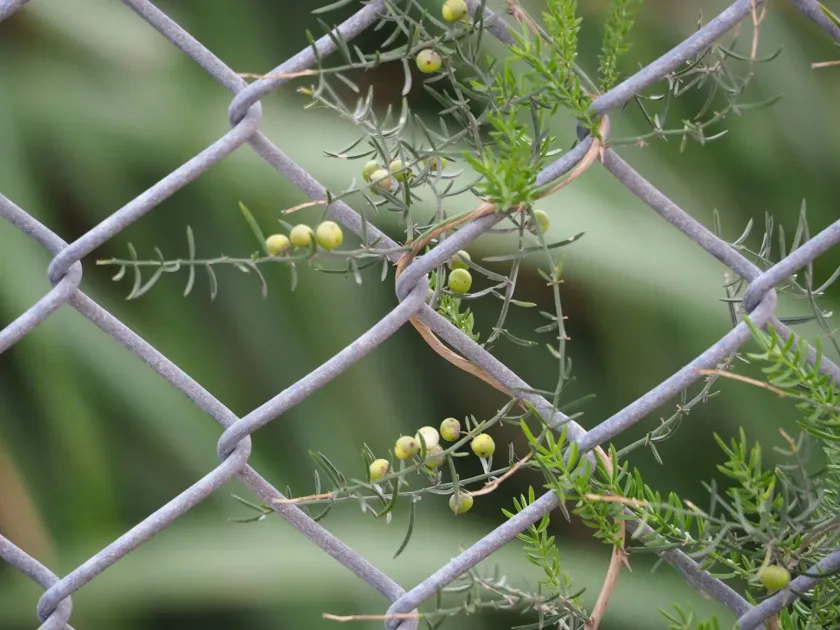
Description
Growing requirements
Asparagus cochinchinensis is a perennial plant belonging to the Asparagaceae family, native to East Asia, particularly China, Japan, and Korea. It is highly valued for its thick, tuberous roots which have been used in traditional medicine for centuries.
The plant thrives in well-drained, sandy loam soils that provide excellent aeration for the developing tuberous roots. It requires a temperate to subtropical climate to reach its full development potential and produce high-quality medicinal material.
Botanically, it features climbing stems and needle-like cladodes, with roots that swell into distinctive spindle-shaped tubers. These tubers store starch and bioactive compounds, making the plant an important agricultural crop in specific regions.
Successful cultivation requires consistent moisture during the growing season but is highly sensitive to waterlogging. Planting on raised beds or sloping land is recommended to ensure adequate drainage and prevent root rot.
Light management is also crucial, as the plant prefers partial shade rather than direct, harsh sunlight, which can stress the plant and reduce the vigor of the root development.
Main diseases and pests
The most significant threats to Asparagus cochinchinensis include root diseases such as Fusarium wilt and various forms of crown rot. These pathogens thrive in stagnant water and humid environments, often devastating plantations if not managed.
Pests such as the asparagus beetle and various aphids can cause significant damage to the foliage, which reduces the plant's ability to photosynthesize and store energy in the roots. Nematodes in the soil can also target the tubers directly.
Good agricultural practices, including crop rotation and the use of disease-free planting material, are essential for maintaining a healthy crop. Keeping the plantation area clear of debris helps reduce pest populations.
Regular monitoring for early signs of disease is a standard procedure. If an infection is detected, affected plants must be promptly removed and destroyed to prevent spreading the disease to healthy rows.
Biocontrol agents and judicious use of fungicides can provide effective protection during high-risk seasons, but long-term plantation health relies primarily on maintaining optimal soil health and drainage.
Harvesting
Harvesting usually occurs three to four years after planting, when the root tubers have matured and developed a high concentration of therapeutic compounds. This long waiting period necessitates careful planning.
The harvest season typically takes place in the autumn. As the above-ground foliage begins to turn yellow and wither, it signals that the plant has retracted its nutrient reserves into the underground tubers.
Tuber extraction must be performed carefully with hand tools or specialized light machinery to avoid damaging the brittle roots. Cuts or bruises on the tubers create entry points for pathogens during the post-harvest period.
Post-harvest processing involves cleaning the roots thoroughly, peeling the outer layer, and drying the tubers to a specific moisture content. This prevents fermentation and mold growth during storage.
Proper storage in a cool, dry place ensures the longevity of the dried product, maintaining its quality for export or processing into herbal supplements and medicinal formulations.