
Asparagus
Asparagus officinalis L.
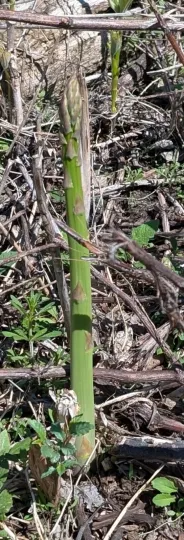
Description
Sowing dates
Asparagus (Asparagus officinalis L.) is a perennial dioecious plant belonging to the Asparagaceae family. In modern agricultural practice, propagation via crowns (1-year-old plants) is the preferred method, as it significantly reduces the time to the first harvest.
For direct seeding, seeds are sown in a nursery or greenhouse during early spring. The germination process is relatively slow and requires consistent soil temperatures around 20-25 degrees Celsius to ensure healthy seedling development.
Before planting in the field, deep soil preparation is essential. The site must be well-drained, as asparagus roots are highly susceptible to rot in waterlogged conditions. Adding organic matter significantly improves soil structure and fertility.
Transplanting crowns to their permanent location is typically done in the spring. Crowns are placed in trenches, and as the shoots emerge, the soil is gradually filled in to encourage the development of a deep root system.
Proper spacing is crucial for long-term health, allowing for adequate airflow between rows. This spacing prevents the environment from becoming too humid, which helps in reducing the incidence of foliage diseases.
Growing requirements
Asparagus thrives in sandy or light loamy soils with excellent drainage. A pH level between 6.5 and 7.5 is ideal for the uptake of essential nutrients, particularly phosphorus and potassium.
The plant requires full sun exposure for vigorous growth of the ferns, which are necessary to store carbohydrates in the crown for the following season. High solar radiation is also critical for early spring soil warming.
Irrigation management is vital, especially during the harvest season and the subsequent fern growth phase. Consistent moisture prevents the shoots from becoming stringy and improves the overall quality of the yield.
Weed control is perhaps the most challenging aspect of asparagus production, especially in the first two years. Since the plant is a poor competitor, mulching or mechanical cultivation is necessary to maintain clean rows.
Fertilization should be split: nitrogen application is beneficial after the harvest period to support fern development, while phosphorus and potassium can be applied in the fall or early spring.
Yield
The yield potential of an asparagus plantation is determined by its age and management practices. A conservative approach is required for young plantings; skipping harvests for the first two years allows the crown to reach maturity.
Light harvesting begins in the third year, usually limited to a 2-3 week window. From the fourth year onwards, the plantation can sustain a full harvest duration of 6 to 8 weeks depending on the local climate.
Average yields in professional operations range from 3 to 6 tons per hectare. High-density planting and the use of tunnels can significantly influence these figures, allowing for earlier market entry.
The economic value of asparagus is high, driven by the demand for fresh, high-quality, and nutritious spears. Proper post-harvest handling, including rapid hydro-cooling, is essential for maintaining product freshness.
Longevity is a key attribute of this crop, with well-managed plantations remaining productive for up to two decades, provided that soil health and root system vigor are consistently maintained.
Main diseases and pests
Asparagus is prone to several fungal diseases, including Anthracnose and Rhizoctonia, which can devastate both the spears and the foliage. Sclerotinia and Gray mold are also problematic in humid microclimates.
Leaf spot diseases and Purple spot (Stemphylium) significantly hinder photosynthesis by damaging the fern canopy. This reduction in leaf area directly leads to weaker crowns and lower yields in the subsequent year.
Tobacco mosaic virus and Penicillium rot represent additional risks that require strict hygiene practices during harvesting and maintenance. Tools should be sanitized regularly to prevent mechanical transmission.
Pests such as the asparagus beetle can cause severe damage by feeding on both the spears and the developing ferns. Integrated Pest Management (IPM) is crucial to keeping populations below economic damage thresholds.
Long-term soil health management, including crop rotation and the removal of infected debris, is the best strategy for mitigating the build-up of soil-borne pathogens like Fusarium.
Harvesting
The harvest is a daily routine during the peak season. Spears are harvested when they reach the desired length (usually 15-20 cm) but before the spear heads begin to open or bracts separate.
For green asparagus, spears are cut at or just below the soil surface using specialized harvesting knives. Care must be taken not to slice through adjacent, younger shoots that are still developing underground.
White asparagus requires a labor-intensive method where spears are kept covered by mounds of soil to exclude light. This prevents photosynthesis and maintains the white, tender quality of the product.
Immediately after harvest, spears should be moved to a cool, shaded area. Removing field heat as quickly as possible is necessary to maintain crispness and prevent the accumulation of lignin (fibrousness).
Once the harvest season ends, the field should be allowed to recover. The ferns are left to grow for the remainder of the season to maximize nutrient storage in the crowns, which is essential for the next year's crop.