
Asparagus madagascariensis
Asparagus madagascariensis Baker
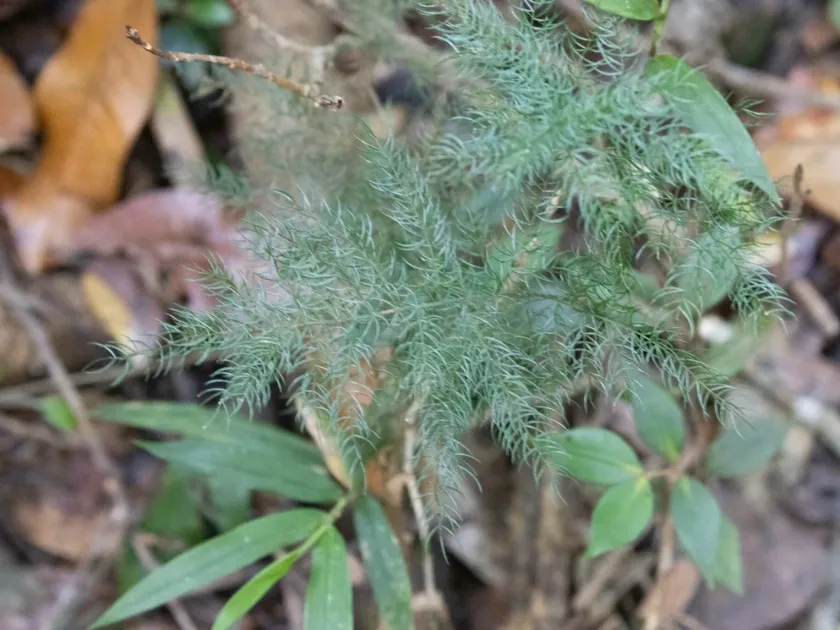
Description
Sowing dates
Asparagus madagascariensis is a distinct species within the Asparagaceae family, native to the diverse ecosystems of Madagascar.
Propagation is primarily achieved through seeds which require a light, porous germination medium to successfully develop into healthy seedlings.
Sowing should take place in controlled environments where temperatures remain consistently above 22 degrees Celsius throughout the day.
The seeds possess a hard outer coat, which sometimes requires scarification to improve water absorption and overall germination percentages.
Once established, the seedlings are transferred to individual pots with nutrient-rich compost, ensuring minimal disturbance to the developing root system.
Growing requirements
The plant thrives in bright, indirect light, mimicking the dappled sun conditions found in its natural forest habitat.
Soil management is critical; the substrate must be slightly acidic and possess superior drainage capabilities to prevent root hypoxia.
During the growing season, moderate water applications are required, allowing the top layer of soil to dry out between irrigation cycles.
Fertilization with a balanced NPK ratio supports the rapid growth of the cladodes, which serve as the primary photosynthetic organs.
Temperature stability is vital, as the species is sensitive to sudden cold snaps that can damage the delicate cellular structure of the stems.
Main diseases and pests
Spider mites are the most common pest, typically appearing when environmental humidity drops below the recommended threshold.
Scale insects can attach themselves to the stems, causing sap loss and potentially leading to the development of secondary fungal infections.
Overwatering is the leading cause of root rot diseases, which are often difficult to reverse once the primary taproot is compromised.
Preventive maintenance includes keeping the growing area clean, removing dead organic debris, and ensuring proper air movement between plants.
Integrated pest management strategies, such as using neem oil or soft soap solutions, are effective against early-stage infestation.