
Asparagus falcatus
Asparagus falcatus L.
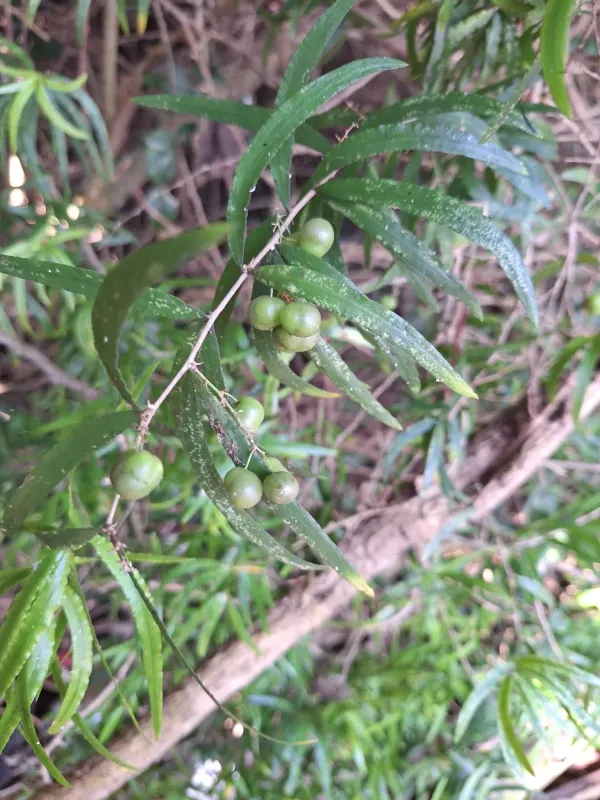
Description
Sowing dates
Asparagus falcatus is typically propagated via seeds or by division of established rootstocks. Seeds should be sown in a well-draining, lightweight soil mix in late winter, maintaining a consistent temperature between 20 and 22 degrees Celsius.
Pre-soaking the seeds in warm water for 24 hours can significantly improve germination rates. Using a covered tray helps maintain the high humidity levels necessary for the initial development of the seedlings.
Once seedlings develop their first true leaves, they should be transplanted into individual containers filled with nutrient-rich compost. Proper spacing is essential to prevent overcrowding and ensure adequate airflow for the young plants.
Transplanting into greenhouse conditions or large pots should take place once the danger of frost has passed. The root system grows quite vigorously, so choose containers that provide ample space for long-term development.
Vegetative propagation via division is best performed during repotting in early spring. Carefully separate the massive root mass using a sterilized blade to reduce the risk of infection and encourage rapid recovery.
Growing requirements
Asparagus falcatus, a member of the Asparagaceae family, is native to tropical regions of South Africa and Asia. It is a long-lived perennial that thrives in controlled environmental conditions.
The plant prefers bright, indirect light. Exposure to direct midday sun can lead to leaf yellowing and scorching of the delicate cladodes, while extreme shade results in weak, spindly stems that lack ornamental value.
A fertile, loamy soil with a neutral to slightly acidic pH is ideal for cultivation. Incorporating organic matter improves both moisture retention and soil structure, which is vital for sustained growth.
The optimal temperature range for this species is 20 to 25 degrees Celsius during the active growing season. A cooler dormant period with temperatures around 16 degrees Celsius helps the plant reset its metabolic processes.
Humidity is a critical factor for success. Regular misting or the use of humidifiers is necessary, especially in indoor environments, to prevent the tips of the stems from browning due to dry air.
Yield
The primary horticultural use of Asparagus falcatus is the production of decorative foliage for the florist industry. Its long, sickle-shaped stems are highly prized for their longevity and elegant appearance in bouquets.
Yield depends heavily on consistent nutrient management and hydration. Applying a balanced liquid fertilizer during the growing season supports the development of lush, green stems and maximizes the harvestable biomass.
With correct agronomic practices, a single healthy plant can produce a high volume of stems throughout the year. Greenhouse-grown specimens often outperform those in containers due to better control over environmental variables.
Routine pruning of older, woody stems allows the plant to allocate its energy toward the growth of new, vibrant foliage, effectively increasing the overall yield per square meter.
Yield potential peaks as the plant matures, generally starting from the third year. Providing sufficient root space is the most significant factor in maintaining high output over the long term.
Main diseases and pests
Common pests include spider mites, scale insects, and mealybugs. These organisms thrive in dry conditions and can cause significant damage to the plant's foliage if not detected and treated early.
Integrated pest management strategies are recommended, starting with frequent inspections of the undersides of leaves. Targeted application of soaps or horticultural oils can effectively manage minor infestations.
Root rot is the most common disease associated with Asparagus falcatus, typically resulting from overwatering or inadequate soil drainage. Correcting irrigation schedules is essential for recovery.
Leaf spot infections may occur in high-humidity, poorly ventilated greenhouse environments. Improving air circulation and maintaining proper plant density are effective preventive measures against fungal pathogens.
Sanitation is paramount when dealing with foliage crops. Removing all infected debris and disinfecting tools between plants prevents the spread of pathogens throughout the cultivation area.
Harvesting
Harvesting is conducted by selectively cutting mature stems that have reached the desired length. Using sharp, sterile shears ensures a clean cut and minimizes trauma to the plant’s base.
Harvesting should ideally occur in the early morning when the stems are fully turgid. This practice is essential for maximizing the vase life of the foliage after it has been removed from the plant.
Immediately after cutting, stems should be placed in fresh water. In a commercial setting, sorting by stem length and binding them into standardized bunches is the standard procedure for market distribution.
It is important to leave enough foliage on the plant to support continued photosynthesis. Over-harvesting can weaken the rootstock and lead to significantly lower production in the subsequent growth cycle.
Post-harvest care involves keeping the foliage in a cool, humid environment. Avoiding temperature fluctuations helps maintain the quality and aesthetic appeal of the harvest until it reaches the final consumer.