
Hybrid hollyhock
Althaea x hybrida hort.
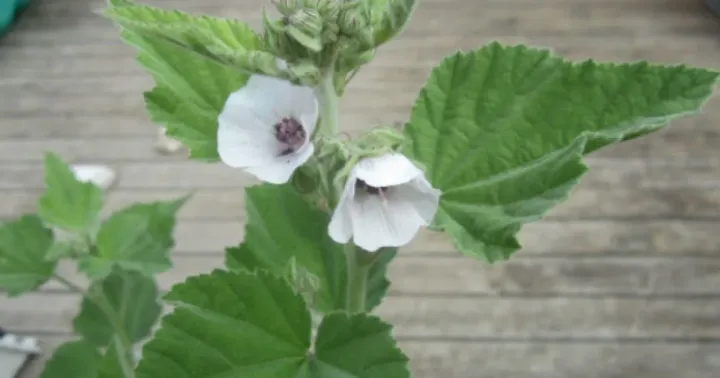
Description
Sowing dates
The sowing of hybrid hollyhock is typically performed in early spring once soil temperatures reach 10-12 degrees Celsius. For seedling production, seeds are sown in greenhouses during March, ensuring a head start for the growing season.
Direct sowing in the open field occurs from late April to May, depending on the local climate. Seeds should be planted at a depth of 1-2 centimeters, ensuring they are kept consistently moist during the germination phase.
Proper spacing is crucial for this vigorous grower, which belongs to the Malvaceae family. Rows should be spaced 60-80 centimeters apart, with individual plants placed 50 centimeters away from each other to facilitate airflow.
Seed pretreatment, such as stratification or soaking in growth-promoting solutions, significantly improves germination uniformity. Seedlings usually emerge within two to three weeks under optimal conditions.
Subsequent maintenance involves thinning the seedlings to ensure the strongest specimens remain. This early selection process is vital for maximizing the overall health and yield of the hollyhock plantation.
Growing requirements
Hybrid hollyhock is a sun-loving crop that demands full exposure to light for optimal growth and flowering. Inadequate sunlight leads to etiolated stems and diminished vigor in the plants.
The plant thrives in fertile, well-drained loamy or sandy soils with a neutral pH. Proper soil preparation, including organic matter enrichment, is essential to sustain the plant's rapid growth cycle.
While mature plants demonstrate significant drought tolerance due to their deep taproot systems, regular irrigation during prolonged dry spells is necessary to achieve high biomass production.
The species shows excellent winter hardiness across various climatic zones. The aerial part naturally senesces at the end of the season, leaving the rootstock to survive the winter, requiring only light mulch if necessary.
Maintenance includes regular weeding and inter-row cultivation to minimize competition from invasive weeds. Such practices help maintain soil structure and ensure that the plants receive adequate nutrients throughout the season.
Main diseases and pests
Rust is the most significant disease affecting hybrid hollyhock, characterized by orange-brown pustules on the leaf undersides. Severe infections can lead to premature defoliation and weakened growth.
Powdery mildew also frequently impacts the foliage, appearing as a white, powdery coating. Management strategies include ensuring proper spacing to encourage air circulation and applying fungicides if required.
Pests such as aphids and spider mites can cause substantial damage by feeding on plant sap. These pests not only weaken the plant but can also serve as vectors for various viral diseases.
Integrated pest management (IPM) practices, including the use of beneficial insects and biological insecticides, are recommended to control pest populations without harming the surrounding ecosystem.
Routine inspection of the plants is essential for early detection of issues. Removing and destroying any infected plant material helps prevent the spread of diseases within the crop, maintaining long-term plantation health.