
Hemp-leaved mallow
Althaea cannabina L.
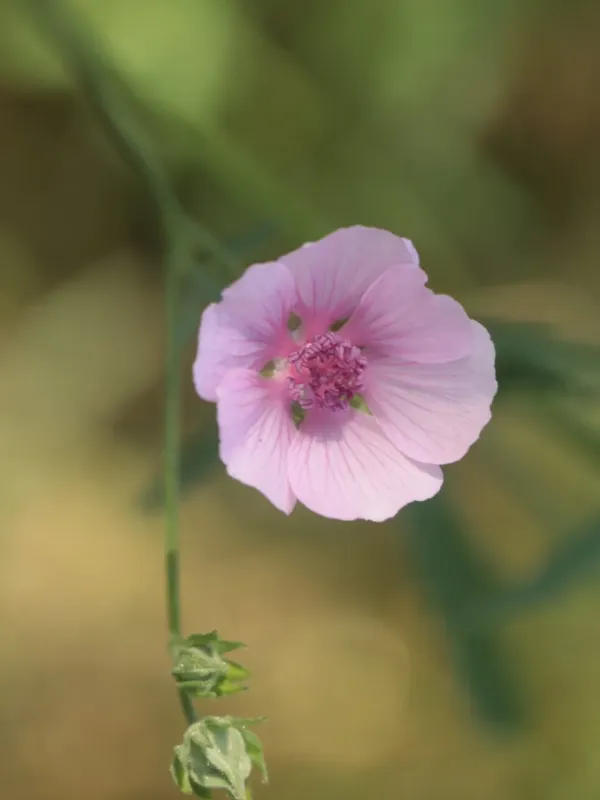
Description
Sowing dates
Sowing of hemp-leaved mallow is recommended in early spring once the soil has warmed up to 8–10 degrees Celsius. Seeds require pre-sowing treatment, including stratification, to improve germination rates.
For industrial production, the crop should be sown in rows with a spacing of 45 to 60 centimeters. This provides enough area for individual plant development and facilitates the use of mechanical equipment for inter-row cultivation.
The seeding depth should be maintained at 1–2 centimeters. Careful monitoring of soil moisture during the sowing period is vital to ensure that the seedlings do not dry out before establishment.
As a perennial species, hemp-leaved mallow should be integrated into a long-term crop rotation plan. This helps in maintaining soil fertility and prevents the build-up of soil-borne diseases over the years.
Maintaining an optimal plant density is essential for maximizing fiber yield. During the first year, it is important to control weeds that might compete with the slow-growing seedlings.
Growing requirements
The plant belongs to the Malvaceae family and demonstrates high adaptability to various conditions. It thrives best in sunny locations, as shading inhibits stem growth and fiber accumulation.
While the crop requires moisture during the initial stages of development, established plants are notably drought-resistant due to their deep taproot system. This makes the species suitable for various climates.
Hemp-leaved mallow prefers loose, fertile soils with a neutral or slightly alkaline pH. Waterlogged areas with high groundwater levels are unsuitable and should be avoided at all costs.
The plant is well-adapted to winter conditions, contributing to its hardiness. In the first year, the focus is primarily on root development and the formation of a rosette of basal leaves.
The application of mineral fertilizers, particularly nitrogen and phosphorus, can significantly boost biomass production and improve the quality of the raw material in subsequent years.
Yield
The yield of hemp-leaved mallow is primarily determined by the quality and quantity of stems harvested for bast fiber production. This fiber is highly valued for its strength and versatility.
In addition to stems, the flowers and roots serve as valuable herbal raw materials for the pharmaceutical industry. Harvesting these parts must be synchronized with the plant's physiological maturity.
Seed harvesting requires multiple passes because the seeds mature unevenly across the plant. Careful scheduling is necessary to prevent significant yield losses due to seed shattering.
The overall economic value depends on the dual-purpose use of the crop, as both fiber production and the extraction of medicinal compounds can generate profit.
Efficient post-harvest processing is critical to maintaining the quality of the fibers and herbal extracts, ultimately determining the final market value of the crop.
Main diseases and pests
Common pests affecting this crop include various weevils and aphids that feed on the leaves. Severe infestations can reduce photosynthetic efficiency and stunt overall growth.
Fungal diseases, such as leaf spot and rust, are frequent threats, especially in humid and stagnant air conditions. Proper field ventilation and hygiene help mitigate these risks.
Root rot is primarily a consequence of poor drainage and waterlogged conditions. Preventive strategies include choosing sites with adequate soil porosity and ensuring good aeration.
Control measures involve the integrated use of fungicides and insect-monitoring practices. Early identification is key to managing outbreaks before they spread across the entire plantation.
Despite being a hardy plant, consistent monitoring and following recommended agricultural practices are necessary to minimize disease outbreaks and maintain a healthy, productive stand.