
Camellia hiemalis
Camellia hiemalis
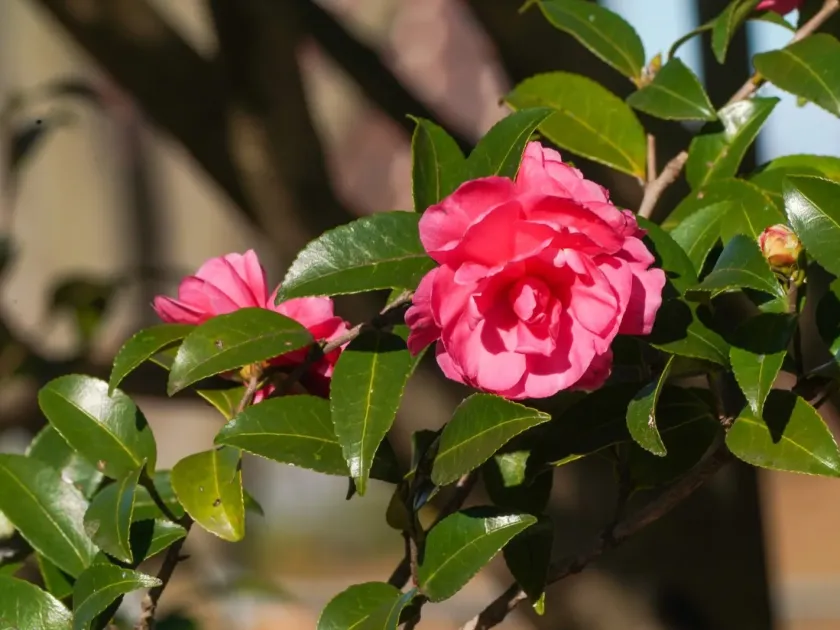
Description
Growing requirements
Camellia hiemalis is an exquisite evergreen shrub belonging to the Theaceae family. It is distinct for its mid-to-late autumn and winter blooming period, making it a highly desirable specimen in temperate to subtropical climates.
Native to Japan and other parts of East Asia, the plant thrives in environments that mimic its natural habitat. It serves primarily as an ornamental crop, valued for its glossy foliage and delicate flower structure.
Optimal growth requires well-drained, acidic soil rich in organic matter. A pH range between 5.0 and 6.5 is essential for nutrient absorption, particularly iron, which prevents leaf chlorosis.
This species prefers partial shade, as exposure to harsh afternoon sun can damage the foliage. Adequate wind protection is also crucial to prevent damage to the flower buds during winter.
Cultural practices must focus on consistent soil moisture using non-alkaline water. Mulching is highly recommended to protect the root system from temperature fluctuations and to maintain acidity.
Main diseases and pests
The primary insect pests affecting Camellia hiemalis are scale insects, spider mites, and aphids. These pests often congregate on the undersides of leaves, causing structural damage and stunted growth.
Pathogenic threats include petal blight and root rot caused by Phytophthora species, which proliferate primarily in waterlogged or poorly aerated soil conditions.
Effective management involves maintaining proper spacing between plants to ensure good airflow, which significantly reduces the humidity levels that fungal pathogens favor.
Integrated pest management should prioritize cultural controls before applying chemical pesticides, ensuring the long-term health of the plant population.
- Regular monitoring of the canopy for early pest detection.
- Use of neem oil or insecticidal soaps for organic pest control.
- Ensuring excellent drainage to prevent crown rot issues.