
Camellia grijsii
Camellia grijsii
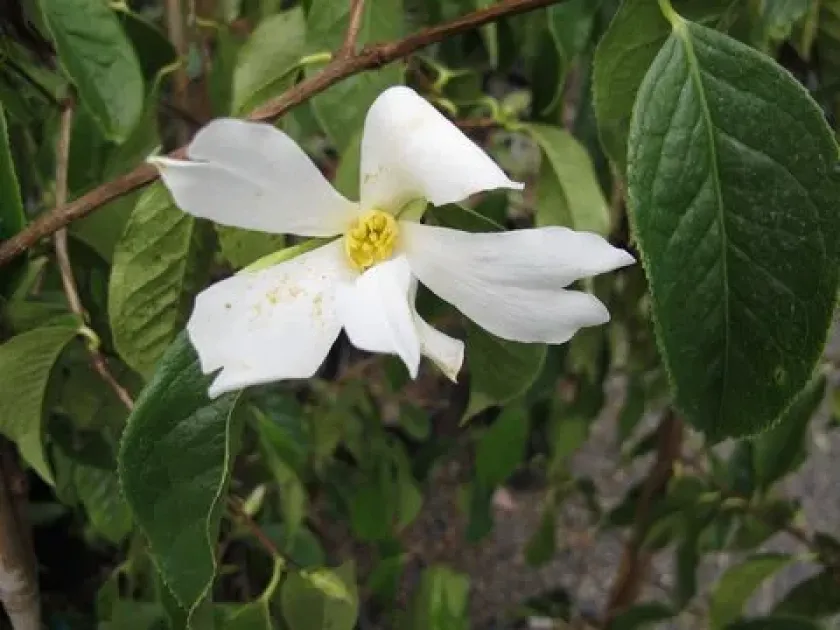
Description
Sowing dates
Propagation of Camellia grijsii is typically achieved through seeds sown in autumn shortly after harvesting. Seeds require cold stratification to break dormancy, ensuring a higher germination rate in the following spring.
When propagating by cuttings, semi-hardwood stems are selected during the late summer months. These cuttings should be taken from healthy, disease-free mother plants to ensure strong subsequent growth.
The rooting medium for cuttings consists of a sterile mix of peat and perlite, which ensures proper drainage and aeration. High humidity is essential during the initial rooting phase.
Once roots are well-established, young plants are transferred to larger pots with an acidic substrate. Careful handling of the delicate root system during transplantation is crucial to prevent stress.
Hardening off the young shrubs before planting them permanently in the landscape is a recommended practice to help them adapt to ambient environmental conditions gradually.
Growing requirements
Camellia grijsii is a member of the Theaceae family and is native to the woodland regions of China. It is characterized by its evergreen foliage and elegant floral displays that emerge in early spring.
The plant thrives in acidic, well-draining soils with a pH level between 5.0 and 6.0. It cannot tolerate heavy clay soils or soils with high calcium content, which can cause severe nutrient deficiencies.
This species prefers a sheltered environment with partial shade. Exposure to intense afternoon sun can lead to leaf scorching, while complete shade may significantly reduce the number of blossoms.
Regular irrigation is vital, especially during prolonged dry spells. The soil should remain consistently moist but never waterlogged, as the roots are highly susceptible to anaerobic conditions.
Fertilization should be focused on the growing season, using specific fertilizers designed for acid-loving plants. Avoid applying fertilizer during late autumn to allow the plant to harden off before winter.
Main diseases and pests
Scale insects represent a major pest for this species, as they attach to stems and leaves to feed on plant fluids. Early detection and manual removal or insecticidal soaps can manage these populations.
Spider mites are frequently encountered in hot, dry climates. These pests create fine webs and cause the foliage to lose its vibrant green color, eventually leading to senescence and leaf drop.
Fungal leaf spot diseases may occur during wet, humid weather conditions with poor air circulation. Proper spacing between plants and canopy thinning are effective cultural practices for mitigation.
Root rot caused by Phytophthora species is a serious threat in poorly drained soils. Once the root system is severely compromised, recovery is unlikely, making prevention the best strategy.
Sanitation practices, such as the removal of fallen leaves and infected branches, are essential to minimize the inoculum levels of pathogens within the growing area throughout the year.