
Grantham's Camellia
Camellia granthamiana
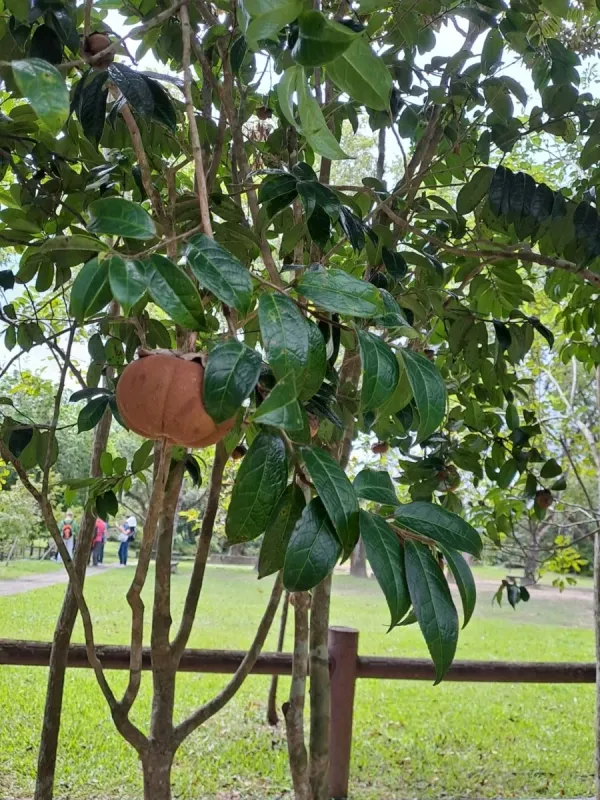
Description
Growing requirements
Grantham's Camellia (Camellia granthamiana) is a unique species belonging to the Theaceae family. It is a rare evergreen shrub or small tree native to the mountain slopes of Hong Kong.
This species thrives in humid, subtropical environments. For optimal growth, it requires a location with partial shade to mimic its natural forest habitat and protect it from intense, direct sunlight.
Soil requirements are strict: the medium must be acidic, well-draining, and rich in organic matter. Avoid heavy clay soils that retain too much moisture, as they can cause root suffocation.
Proper cultivation involves regular irrigation with soft water to ensure the soil remains moist but not waterlogged. Mulching is highly recommended to protect shallow roots and preserve acidity.
The plant is not frost-hardy and requires protection in cooler regions. In temperate zones, it is typically grown in greenhouses or large containers that can be moved indoors during winter.
Main diseases and pests
Fungal diseases, including petal blight and leaf spot, are the most common health issues for this species, particularly in environments with poor air circulation or high humidity.
Root rot caused by Phytophthora species is a serious threat. It is almost always a result of poor soil drainage or excessive watering, requiring immediate repotting if detected early.
Scale insects and spider mites are the most persistent pests. They often target weakened plants, necessitating regular monitoring of the underside of the leaves for signs of infestation.
Aphids may feed on the tender new growth during the spring. Although rarely fatal, their presence can attract sooty mold, which ruins the appearance of the foliage.
Integrated pest management, including regular cleaning of the leaves and the use of horticultural oils, is preferred over harsh chemicals to maintain the plant's health and longevity.