
Camellia drupifera
Camellia drupifera
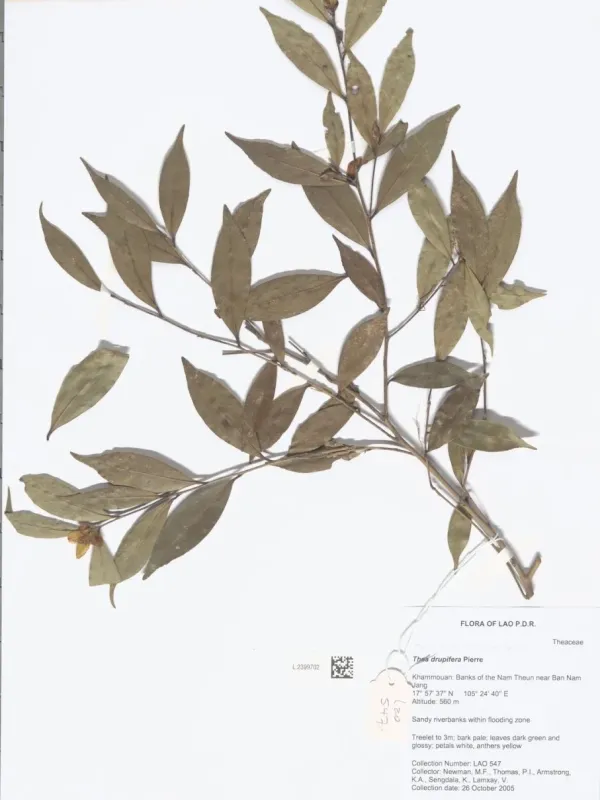
Description
Sowing dates
Camellia drupifera is an evergreen woody species belonging to the Theaceae family. Unlike popular ornamental varieties, this plant is primarily investigated for its potential as an oilseed crop.
Propagation is typically performed via seeds. To improve germination rates, seeds undergo stratification, a process that mimics natural conditions to break dormancy effectively before sowing.
Spring is the ideal season for establishing new plantations. Soil should be sufficiently warm to support rapid root system development, which is crucial for the establishment of young seedlings.
Proper spacing between plants is essential to ensure adequate airflow and sunlight penetration within the canopy, preventing the dense growth that often fosters disease development.
While cuttings are a viable alternative, seed-grown specimens often exhibit superior adaptability to local soil conditions, making them the preferred choice for large-scale agricultural projects.
Growing requirements
This species thrives in well-drained, acidic to slightly acidic soils rich in organic matter. Stagnant water is detrimental and must be avoided to prevent lethal root rot issues.
The crop prefers a temperate climate with optimal temperatures ranging from 18 to 25 degrees Celsius. While it can withstand mild frost, extreme cold exposure should be avoided.
High relative humidity is necessary for healthy leaf development. In regions with dry climates, supplemental irrigation systems, such as overhead sprinklers, are often required.
Plants are photophilic but benefit from light shading during the early years of growth to protect tender leaves from scorching and excessive moisture loss in harsh sunlight.
Balanced fertilization is key; an oversupply of nitrogen can cause excessive vegetative growth at the expense of flower and fruit production, which ultimately reduces the harvest yield.
Main diseases and pests
Fungal diseases are the primary concern for Camellia drupifera, especially in environments with poor air circulation or consistently high moisture levels during the growing season.
Leaf spot and anthracnose are common threats that require vigilant monitoring. Timely application of approved fungicides and pruning out infected limbs are standard prophylactic measures.
Scale insects pose a significant risk, as they attach to stems and leaves to suck sap. This can lead to yellowing, stunted growth, and the accumulation of sooty mold on the foliage.
Spider mites can become problematic during hot, dry spells. Regular monitoring and, if necessary, the application of acaricides or thorough water rinsing help to keep populations low.
Soil-borne nematodes can cause damage in lighter, sandy soils. Implementing crop rotation and utilizing certified, pest-free planting stock is vital for long-term plantation health.
Harvesting
The economic value of Camellia drupifera lies in its seeds, which contain high-quality lipids suitable for both industrial, cosmetic, and potentially culinary applications.
Harvesting commences when the seed capsules reach maturity and begin to crack open naturally, indicating that the seeds inside are fully developed and ready for collection.
Hand-harvesting remains the most effective method, ensuring that fruits are not damaged during the collection process, which helps maintain the high quality of the extracted oil.
Post-harvest handling is critical; seeds must be dried promptly in a well-ventilated area to prevent rancidity and fungal contamination, which can degrade the value of the final oil.
Productivity is closely linked to tree health and age. Regular sanitary pruning and diligent maintenance practices are essential to stimulate consistent yields and prolong the tree's lifespan.