
Camellia azaleae
Camellia azaleae
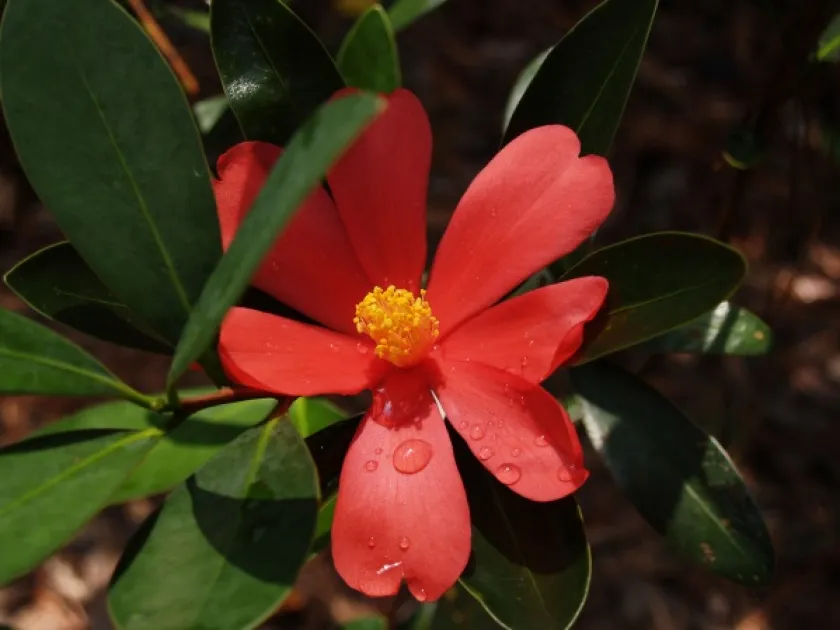
Description
Growing requirements
Camellia azaleae is a distinct species within the Theaceae family, widely recognized for its unique blooming period that extends through the summer months. Its flowers bear a striking resemblance to those of azaleas, which served as the inspiration for its specific name.
This species is native to the Guangdong province in China, where it grows in humid, mountainous subtropical forests. It thrives in shaded environments and requires consistent moisture to maintain its lush, evergreen foliage throughout the year.
Successful cultivation relies on mimicking its natural habitat. It requires acidic, well-draining soil rich in organic matter. A pH level between 5.5 and 6.5 is optimal to ensure efficient nutrient uptake and prevent typical deficiency issues like chlorosis.
The plant performs best in filtered light or partial shade. Direct midday sun is generally detrimental as it scorches the delicate leaves and significantly increases the evaporation rate, stressing the plant's root system.
Propagation is typically achieved through stem cuttings during the active growing season. Utilizing a rooting hormone and providing a humid microclimate with bottom heat often yields the best results for rooting success.
Main diseases and pests
The primary phytosanitary risks include root rot and Phytophthora, both of which are usually caused by overwatering or poor drainage systems. These pathogens can rapidly destroy the vascular system of the plant.
Insect pests such as spider mites and scale insects are common in glasshouse settings where air humidity might drop below the required threshold. These pests thrive in dry environments and can quickly colonize the undersides of leaves.
Integrated pest management is recommended, starting with cultural practices such as pruning for air circulation and ensuring the correct humidity levels before resorting to chemical interventions.
Regular sanitation of the growing area, including the removal of fallen leaves and debris, is crucial to prevent the overwintering of fungal spores and pest larvae that could re-infest the plants.
Application of fungicides should be performed strictly during the early stages of disease detection, alternating active ingredients to prevent the development of resistant strains of pathogens.