
Grey poplar
Populus x canescens (Aiton) Sm.
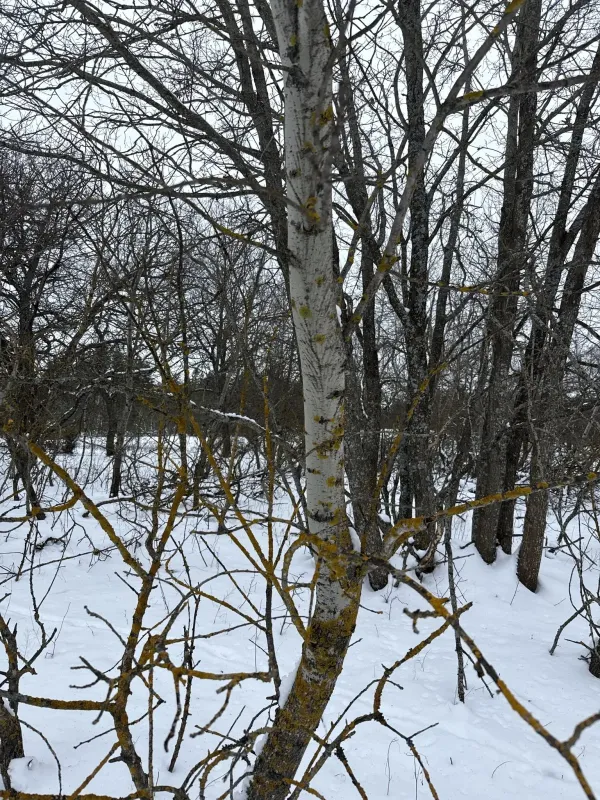
Description
Growing requirements
The grey poplar Populus x canescens is a natural hybrid between the white poplar and the common aspen, belonging to the Salicaceae family. It is recognized globally as a fast-growing species, highly valued in forestry for its biomass production and environmental adaptability.
This species thrives in deep, moist, and well-drained soils. While it shows a preference for fertile alluvial soils found in river valleys, it can tolerate a variety of soil types provided there is adequate moisture availability throughout the growing season.
Botanically, the grey poplar is characterized by its distinct silvery-grey foliage and rapid vertical growth. It is a light-demanding species, which requires full sun exposure to maintain its growth rates and overall health, especially during the early establishment phase of the plantation.
Agronomic management involves proper soil preparation, including subsoiling and weed control to reduce competition for nutrients and water. Planting spacing should be carefully calculated to optimize individual tree growth and forest yield while ensuring ease of maintenance.
The economic utility of the grey poplar is diverse, ranging from timber production for pulp and paper, the manufacturing of pallets and matches, to its use in riparian buffer zones for soil erosion control and enhancing local biodiversity in degraded landscapes.
Main diseases and pests
Common pathological issues include rust fungi and bark necrosis, which are more prevalent in stands with poor air circulation or areas prone to waterlogging that weakens the tree's natural defense mechanisms.
Insect pests such as leaf beetles and various species of lepidoptera can cause defoliation. Regular monitoring of leaf health is essential, especially during dry spells when the trees may be more susceptible to secondary infestations.
Integrated pest management strategies are recommended, focusing on maintaining tree vigor through adequate nutrient management and avoiding the accumulation of leaf litter that may harbor fungal spores over the winter season.
Pruning of dead or infected branches should be conducted during the dormant season to prevent the spread of pathogens, ensuring that pruning tools are sanitized between trees to reduce the risk of cross-contamination.
Long-term plantation health is achieved by fostering a diverse stand structure where possible and avoiding monoculture practices that might accelerate the buildup of species-specific pest and disease populations.