
Chinese white poplar
Populus tomentosa Carr.
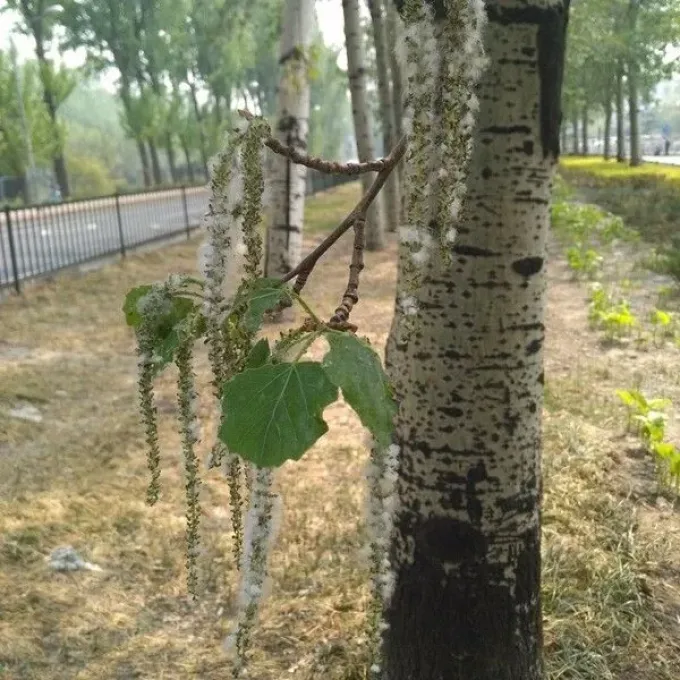
Description
Growing requirements
The Chinese white poplar (Populus tomentosa) is a prominent member of the Salicaceae family, native to northern China. This species is highly valued in commercial forestry for its rapid growth rate and the high quality of its wood, which is utilized across various industrial sectors.
In terms of environmental needs, this species is strictly heliophilous, requiring full sun exposure to maximize photosynthetic efficiency and vertical growth. Establishing plantations in shadowed areas or under a closed canopy leads to poor development and increased vulnerability to pathogens.
The ideal site for Populus tomentosa consists of deep, fertile, and well-drained loamy soils. While it can tolerate a wide range of conditions, it performs best when soil moisture is consistent; however, it cannot withstand prolonged flooding or waterlogged soil conditions for extended periods.
Temperature adaptation is a key feature of this poplar, allowing it to thrive in diverse continental climates. It is hardy enough to survive cold winters, provided that the growing season is sufficiently warm and long enough to allow the tree to achieve its full physiological potential.
The economic value of this poplar is primarily found in the pulp and paper industry, as well as in the manufacturing of veneers and lightweight furniture. Due to its straight trunk and lack of heavy branching in managed stands, it serves as an excellent candidate for reforestation projects.
Main diseases and pests
Disease management is critical for poplar plantations, with fungal pathogens being the primary concern. Rust and leaf spot diseases often appear under conditions of high humidity or poor air circulation within the stand, leading to premature defoliation and weakened trees.
Pest populations, including various species of wood-boring beetles and aphids, represent a major threat to young plantations. These insects can cause structural damage to the bark and cambium, creating entry points for secondary infections and significantly reducing the timber yield.
To control these threats, agro-foresters rely on a combination of cultural and chemical practices. Maintaining proper plant spacing is essential to ensure adequate airflow, which naturally reduces the incidence of fungal spores settling on leaves and developing into active infections.
In cases of severe pest infestation, integrated pest management (IPM) strategies, including the introduction of natural predators or targeted applications of systemic insecticides, are necessary. Preventive measures should always be prioritized over reactive chemical treatments.
Monitoring for signs of stress, such as yellowing leaves or discolored bark, allows for early detection of potential outbreaks. By implementing rapid response protocols, such as removing infected trees, foresters can protect the long-term health and productivity of the entire stand.