
Canadian poplar
Populus x canadensis Moench
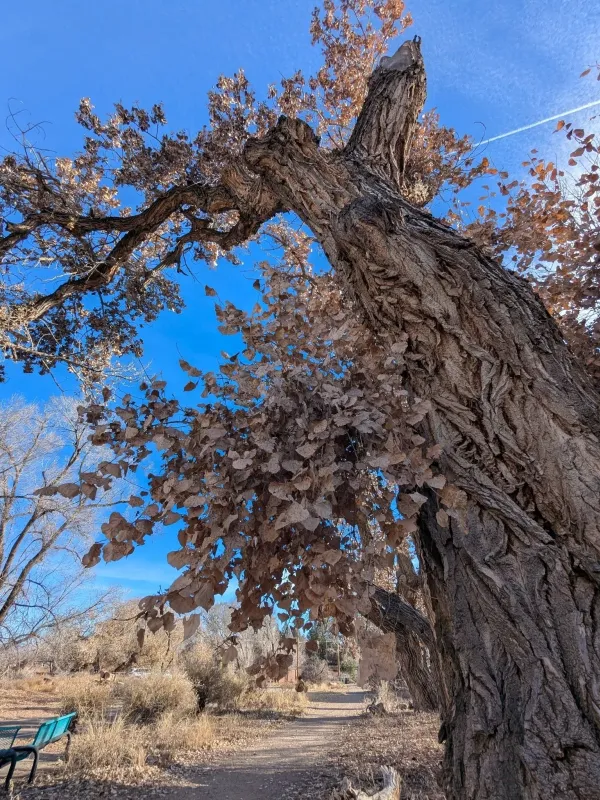
Description
Sowing dates
The propagation of Canadian poplar is primarily achieved through vegetative means using hardwood cuttings. These cuttings are prepared during the dormant season and are best planted in early spring as soon as the soil warms up and becomes workable.
For industrial plantations, cuttings are inserted into pre-prepared furrows. It is vital to ensure proper soil-to-cutting contact, which facilitates root development and prevents the drying out of tissues before the growth season truly begins.
The use of 1- to 2-year-old nursery saplings allows for a shorter establishment period. Planting is carried out using specific spacing patterns that reduce competition for light and nutrients, ensuring each tree has optimal room to grow.
While seed propagation is possible, it is rarely employed in commercial forestry because the hybrid nature of the Canadian poplar means that offspring often do not retain the favorable traits of the parent trees. Vegetative propagation ensures genetic uniformity.
In the first two years after planting, regular irrigation and strict weed control in the tree rows are critical. This care ensures high survival rates and helps the young trees establish a robust root system, which is essential for rapid future growth.
Growing requirements
The Canadian poplar (Populus x canadensis) is a hybrid belonging to the Salicaceae family, resulting from the cross between Populus deltoides and Populus nigra. It is highly demanding in terms of soil fertility and prefers deep, rich alluvial soils.
As a light-loving species, it exhibits an extraordinary growth rate when provided with full sunlight. It adapts well to periodically wet conditions, though it remains sensitive to stagnant water and high soil salinity, which can severely hinder development.
Optimal climatic conditions for this culture include a temperate climate with consistent rainfall throughout the growing season. While the hybrid is highly adaptable, extreme winter cold or prolonged severe drought can occasionally impact its growth vigor.
An ideal soil pH for the Canadian poplar ranges between 6.0 and 7.5. On very poor sandy or heavy clay soils, growth performance is significantly reduced unless supplemented with appropriate fertilization and soil management practices.
Due to its extensive root system, it is often utilized as a soil conservation plant to stabilize banks and prevent erosion. When selecting planting sites, it is advisable to consider wind protection, as young wood can be brittle during strong storms.
Yield
The main advantage of the Canadian poplar is its exceptional productivity. Due to its intense metabolism, the trees can produce commercial-grade timber in a remarkably short time, making them a preferred choice for intensive silviculture.
The annual biomass increment of well-managed plantations is among the highest of any temperate tree species. This allows for harvest cycles to be completed within 15 to 20 years, depending on the site conditions and the intended use of the wood.
The timber is widely utilized in the pulp and paper industry, as well as for plywood, veneer, and packaging materials. The wood is light, soft, and uniform, which makes it very easy to process in modern wood manufacturing facilities.
Furthermore, these plantations are increasingly used for energy forestry. Producing fast-growing biomass for heating or biofuel is an economically viable venture, as it yields high quantities of raw material per hectare in a compressed timeframe.
Systematic plantation management, including selective thinning, is necessary to maximize wood quality. By preventing overcrowding, foresters ensure that individual trees reach their maximum potential diameter and height at the time of harvest.
Main diseases and pests
Major threats to this culture include necrotic diseases of the bark and shoots, often caused by fungal pathogens such as Septoria musiva. These infections can lead to stem deformation and premature dieback, significantly degrading timber value.
Leaf rust, induced by various Melampsora species, is common in humid environments and can cause premature leaf drop. This reduces the tree's photosynthetic capacity, ultimately slowing down the growth rate for the remainder of the season.
Among pests, leaf-eating insects are the most problematic, as they can defoliate large portions of the canopy. Such damage strips the tree of vital energy and creates entry points for secondary pathogens that may further weaken the plant.
Stem-boring insects present a serious danger to mature trees, as they disrupt the vascular system. The tunnels created by these pests act as centers for decay, which weakens the trunk and may eventually lead to structural failure during high winds.
Preventive measures include the selection of resistant clones, maintaining spatial isolation between different age cohorts of plantations, and conducting regular sanitary pruning to remove damaged branches and prevent the spread of infections.