
Bigtooth aspen
Populus grandidentata Michx.
Description
Growing requirements
The Bigtooth aspen (Populus grandidentata) is a member of the Salicaceae family, native to the eastern parts of North America. It is characterized by its rapid growth rate and ability to colonize disturbed forest sites, making it a pioneer species in natural successional landscapes.
This species thrives in well-drained, fertile, loamy soils but displays a remarkable adaptability to poorer, gravelly, or sandy sites. Proper drainage is critical for root health, as the tree does not tolerate waterlogged soil conditions for extended periods during its active growth cycle.
Sunlight is the most vital requirement for the healthy development of this tree. It is highly intolerant of shade, and seedlings must have full exposure to solar radiation to ensure rapid vertical growth and the establishment of a strong, straight trunk suitable for future harvest.
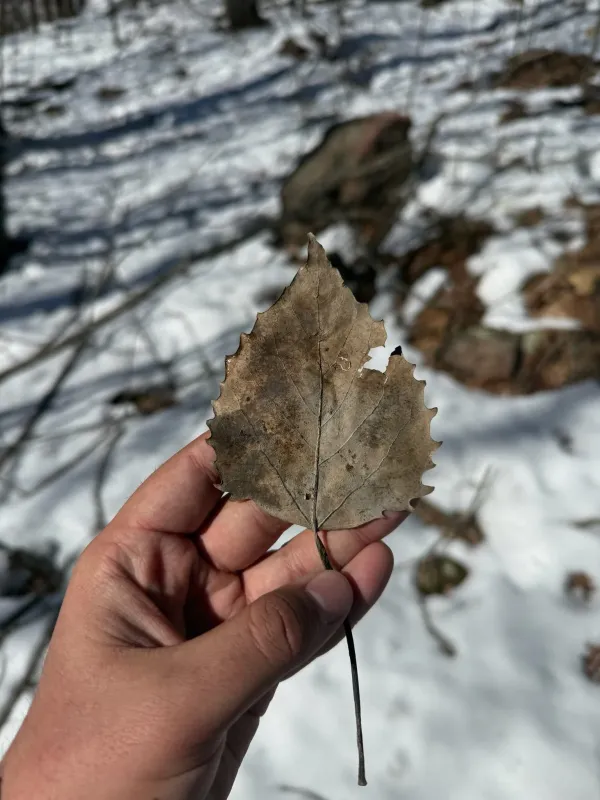
Botanically, the tree is identified by its large, coarse, blunt teeth on the leaf margins, which gave it its common name. The leaves are typically dark green on the upper surface and paler or silvery beneath, attached to flattened petioles that allow them to rustle in the slightest breeze.
Economically, Bigtooth aspen is highly valued for the pulp and paper industry. Its light, uniform wood fibers make it an excellent source for producing high-quality paper, cardboard, and various veneer products. It is often managed in short-rotation forestry to maximize wood fiber yield.
Main diseases and pests
Disease pressure often includes Hypoxylon canker, which is one of the most severe threats to aspen species, potentially causing significant mortality in dense stands. Management strategies emphasize keeping trees vigorous through proper thinning and choosing high-quality planting sites to mitigate risk.
Common insect pests include the forest tent caterpillar and various wood-boring beetles that can degrade timber value if left unmanaged. Regular monitoring and maintaining forest biodiversity are considered the best practices for minimizing the impact of these infestations in sustainable timber production.