
Balsam poplar
Populus balsamifera L. subsp. trichocarpa (Torr. & A. Gray) Brayshaw
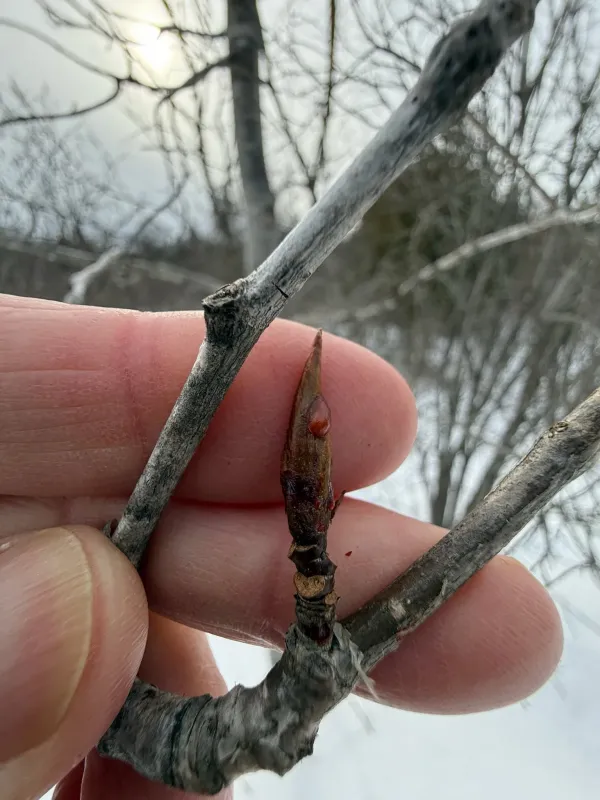
Description
Sowing dates
Balsam poplar is most effectively propagated using dormant hardwood cuttings, which ensures genetic consistency and high establishment rates.
Cuttings should be collected in late winter, ensuring they are stored at cool temperatures until they are planted in spring once the soil thaws.
The cuttings are placed into fertile, well-prepared soil with sufficient depth to prevent drying out during the initial rooting phase.
While seed propagation is possible, it is rarely used due to the short longevity of seeds, which must be sown immediately after maturation in the spring.
Consistent moisture is the primary requirement for successful seedling emergence, often necessitating controlled irrigation systems in tree nurseries.
Growing requirements
As a member of the Salicaceae family, the balsam poplar is characterized by its remarkable ability to thrive in diverse and often challenging environments.
It performs best on deep, moist, well-drained alluvial soils, frequently thriving in riparian zones where groundwater is readily accessible to the root system.
The species is highly light-demanding and should be planted in open areas to maximize growth potential and prevent etiolation of the branches.
Its high cold tolerance makes it an essential species for reforestation projects in northern latitudes where other fast-growing species might struggle.
Proper silvicultural practices include weed control in the first three years and potential fertilization to boost early biomass production on nutrient-poor sites.
Yield
Recognized for its exceptionally high growth rate, the balsam poplar is a top choice for short-rotation forestry and industrial timber production.
The wood is lightweight, soft, and straight-grained, making it ideal for the production of plywood, fiberboard, and high-quality wood pulp.
It is frequently harvested for pallet manufacturing and crate construction due to its combination of low density and sufficient structural strength.
The fast cycle of harvest allows for rapid economic returns, as the species reaches commercial size in a fraction of the time required by hardwood species.
Beyond timber, the species is vital for land rehabilitation and carbon sequestration efforts due to its expansive canopy and deep root systems.
Main diseases and pests
Bacterial canker is the most destructive disease, manifesting as lesions on the trunk and leading to severe structural weakness and eventual tree mortality.
Fungal leaf diseases such as rust can significantly diminish the photosynthetic surface area, reducing the annual biomass increment of the plantation.
Defoliating insects, including various leaf beetles and moths, pose a persistent threat, especially during years with warm and humid early spring weather.
Wood-boring insects can create galleries within the tree, which not only damages the timber value but also introduces pathogens into the tree's vascular system.
- Monitor for early symptoms of canker
- Implement proper spacing to ensure airflow
- Remove and destroy severely infested material
- Select resistant clones for new plantations