
Berlin poplar
Populus x berolinensis Dippel
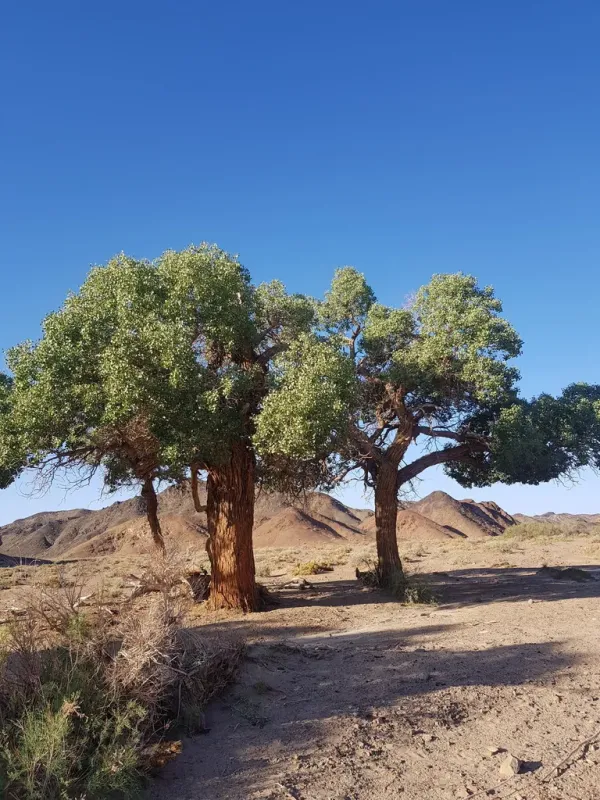
Description
Growing requirements
The Berlin poplar, known botanically as Populus x berolinensis, belongs to the Salicaceae family. This hybrid is recognized for its columnar shape and exceptionally rapid growth rate, making it a preferred choice for urban planning and windbreaks.
Regarding site requirements, this tree thrives in deep, fertile, and moist soils. It is particularly well-adapted to alluvial conditions, showing high productivity where groundwater levels are stable but not stagnant.
Climate tolerance is a hallmark of this species, as it exhibits significant frost resistance. This hardiness makes it an ideal candidate for reforestation projects in temperate zones where hard winters are common.
Agricultural practices involve proper site preparation to ensure deep soil aeration. Young trees require supplemental irrigation during the establishment phase, especially in regions with erratic rainfall patterns during spring and summer.
The tree serves multiple economic purposes, including biomass production and the creation of shelterbelts to protect agricultural crops. Its wood is also utilized in the manufacturing of pulp and paper products.
Main diseases and pests
The Berlin poplar is susceptible to several fungal diseases, with Cytospora canker being one of the most common issues. This disease often manifests on stems and branches, leading to premature tissue death.
Insects like the poplar leaf beetle can cause extensive defoliation, particularly in young plantations. Integrated pest management strategies, including monitoring and biological control, are recommended to keep damage below thresholds.
Rust diseases affecting the leaves are frequent during humid growing seasons, which can weaken the tree's overall vigor if left unmanaged for several consecutive years.
Boring insects represent a specific threat to timber quality, as their galleries compromise the integrity of the trunk. Regular removal of stressed or dead wood is essential to mitigate these risks.
Maintaining high hygiene standards in nurseries and plantations is the primary defense against systemic infections, ensuring the longevity and productivity of the poplar stands.