
Balsam poplar
Populus balsamifera L. subsp. balsamifera
Description
Growing requirements
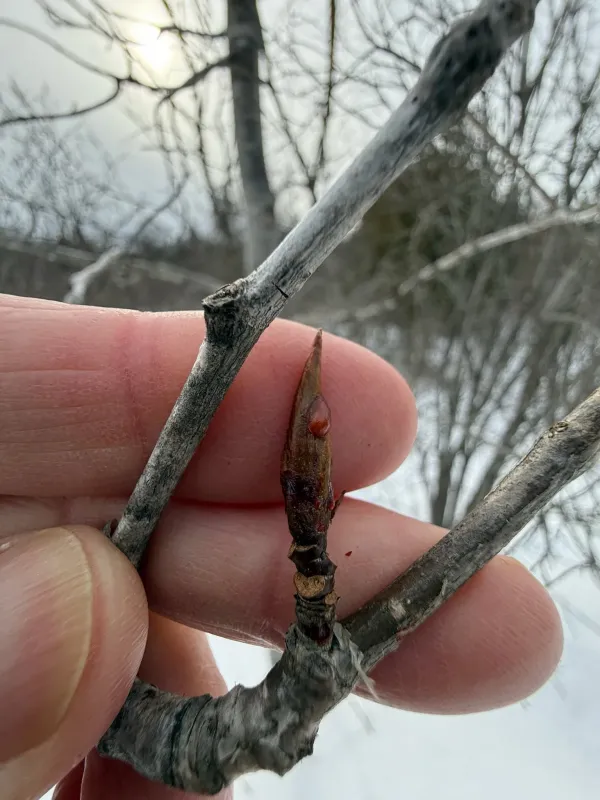
Balsam poplar (Populus balsamifera L. subsp. balsamifera) is a deciduous tree belonging to the Salicaceae family. It is widely recognized for its fast-growing nature, exceptional hardiness, and pleasant balsamic aroma produced by its resinous winter buds.
Native to North America, the species thrives in a variety of environments, ranging from moist riverbanks to upland sites. Its extensive natural range proves its capacity to adapt to diverse ecological niches, provided there is sufficient moisture for establishment.
The cultural requirements for this species include full sun exposure and fertile, well-draining soils. While the tree can tolerate occasional waterlogging, it performs best in soils with high organic matter content and consistent moisture availability during the growing season.
Agrotechnical practices involve proper spacing during plantation establishment to ensure adequate crown development and airflow. Young trees benefit significantly from weed control and mulching, which help to retain soil moisture and reduce competition for nutrients.
Beyond its ecological importance in stabilizing riverbanks, the balsam poplar has significant economic value. It is utilized in the production of wood fiber, pulp for paper manufacturing, and serves as a vital component in windbreak and shelterbelt development.
Main diseases and pests
The tree is susceptible to several fungal diseases, including leaf rust and various canker types. Proper site selection and maintaining tree vigor are the primary defense strategies, as stressed trees are significantly more prone to severe infections.
Pest issues often include poplar leaf miners and defoliating beetles. In intensive plantation settings, monitoring programs should be established to detect early signs of infestation and determine the necessity for targeted chemical or biological intervention.
Environmental factors, such as air pollution, can impact the longevity of the trees, particularly in urban environments. Selecting clean planting sites and ensuring balanced fertilization can improve the resilience of the trees against environmental stressors.
Root suckering is a common behavior of this species, which requires active management if the tree is grown near agricultural fields or sensitive landscaping areas. Pruning and physical barrier installation are effective methods to contain the spread of the root system.
Implementing a strict maintenance schedule involving sanitation pruning and health inspections ensures that the poplar population remains productive. Removing severely damaged or diseased trees promptly prevents the buildup of pathogen inoculum in the vicinity.