
European aspen
Populus tremula L.
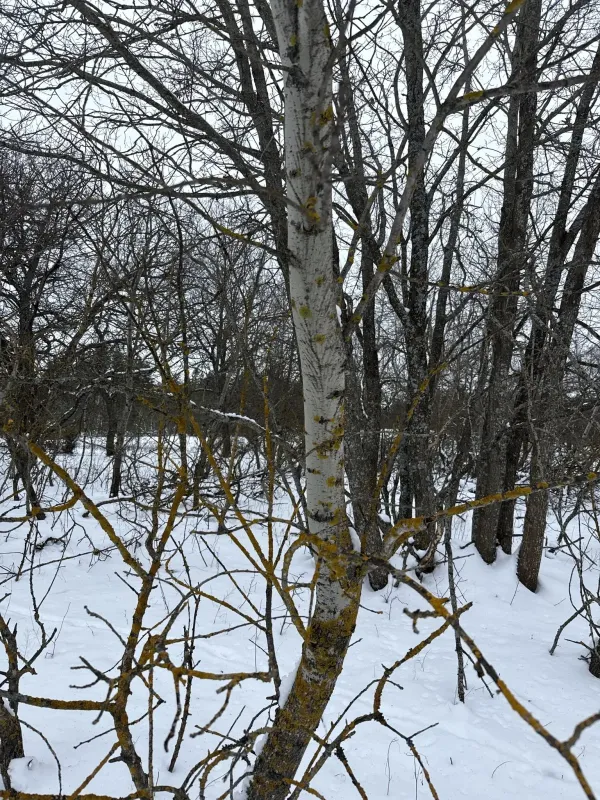
Description
Growing requirements
European aspen (Populus tremula L.) belongs to the Salicaceae family. It is a highly adaptable, fast-growing deciduous tree species that is native to cool temperate and boreal regions of Europe and northern Asia.
This species requires high light levels for optimal growth and is considered a pioneer species in forest succession. It thrives best on deep, fertile, and well-drained soils, although it is hardy enough to colonize diverse soil types, including sandy and slightly acidic ones.
Aspen is characterized by its remarkable cold tolerance, which allows it to thrive in high-latitude climates. It performs best in areas with a consistent supply of moisture, though it can tolerate periodic dry spells once established.
The root system is extensive and shallow, enabling the tree to propagate vegetatively via root suckers. This vegetative regeneration capacity makes the species highly efficient at reforesting disturbed areas such as clearings and burnt land.
In terms of economic use, aspen wood is widely utilized in the match industry, for paper pulp production, and in the manufacturing of lightweight plywood. Due to its resistance to moisture and decay, it is also preferred for sauna paneling.
Main diseases and pests
The most significant pathological threat to aspen is heartwood rot, primarily caused by fungi such as Phellinus tremulae. These infections often enter through branch stubs or stem wounds, leading to internal degradation of the trunk.
Leaf-eating insects, including the aspen leaf beetle and various moth species, can cause severe defoliation. Repeated attacks weaken the trees, making them more susceptible to secondary pathogens and environmental stress.
Rust fungi are common foliar diseases that appear as orange spots on the leaves. While usually not fatal to mature trees, they can significantly stunt growth and reduce overall biomass accumulation in young plantations.
Management strategies in forestry focus on maintaining stand health through selective harvesting of infected trees. Thinning operations are vital to ensure adequate air circulation and reduce the humidity levels that favor fungal spread.
Biological and genetic research continues to explore breeding programs aimed at developing clones with superior resistance to stem rot. These efforts are essential for ensuring the long-term sustainability of commercial aspen forestry.