
Kei apple
Dovyalis caffra (Hook. f. et Harv.) Hook. f.
Description
Growing requirements
Kei apple (Dovyalis caffra) is a perennial shrub or small tree belonging to the Salicaceae family. Native to southern Africa, it is known for its extreme hardiness and ability to thrive in diverse environmental conditions, making it an interesting subject for exotic fruit cultivation.
The plant grows best in tropical and subtropical climates but exhibits significant drought tolerance. It is highly adaptable to various soil types, including those with low fertility, provided that the drainage is adequate and the plants are not exposed to waterlogged conditions.
Sunlight exposure is crucial for the development of healthy foliage and fruit production. While it can withstand light frost, it performs optimally in warm environments, making it a popular choice for gardens and commercial orchards in appropriate climate zones.
Agricultural management requires regular pruning, mainly because the tree is covered with long, sharp spines. These thorns are a distinctive feature that makes the Kei apple an excellent candidate for impenetrable live hedges in agricultural layouts.
As a dioecious species, Kei apple requires both male and female plants to be present in the field to ensure cross-pollination. Proper spacing between trees is essential to facilitate air circulation and simplify the maintenance of the orchard.
Yield
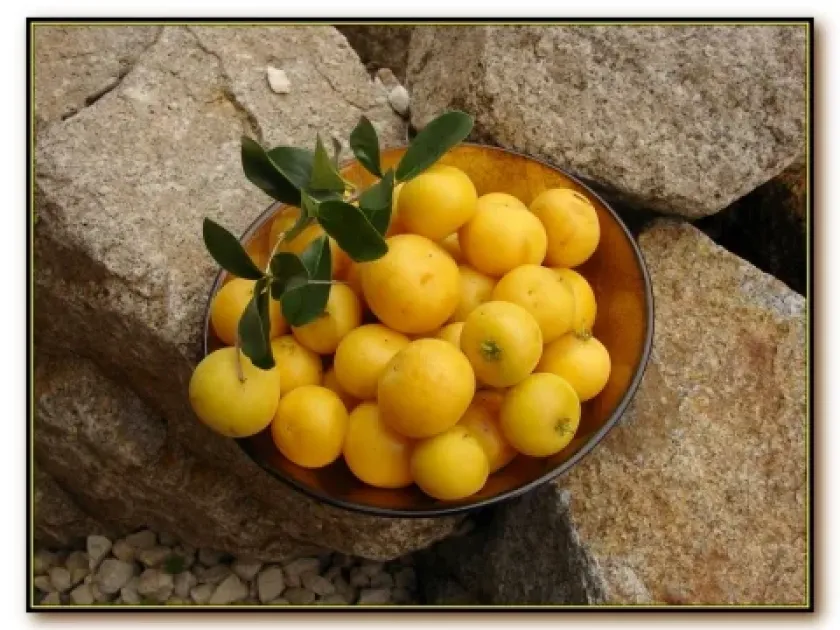
The fruits are globose berries that turn a bright golden-yellow or orange when ripe. They are highly prized for their acidic, refreshing flavor and are commonly used in the production of jams, jellies, preserves, and juices due to their high vitamin C content.
With correct management and sufficient irrigation during the growing season, a mature tree can produce a substantial yield. The fruits possess a relatively firm skin, which allows for efficient transport and storage, increasing their commercial value for local markets.
Main diseases and pests
Kei apple is remarkably resistant to most common pests and diseases. However, in areas with high humidity, fungal leaf infections can occasionally occur, necessitating a more proactive approach to thinning the canopy to promote airflow.
Pests such as scale insects may settle on the woody parts of the plant. Monitoring and early intervention with soft soap or targeted horticultural oils can effectively manage these populations without the need for intensive chemical treatments.
Harvesting
Harvesting usually takes place once the fruit reaches its characteristic deep yellow color. Harvesters should use gloves and protective clothing to navigate the sharp spines, ensuring that the fruit is picked carefully to maintain its quality for later processing.