
Governor's plum
Dovyalis hebecarpa (Gardner) Warb.
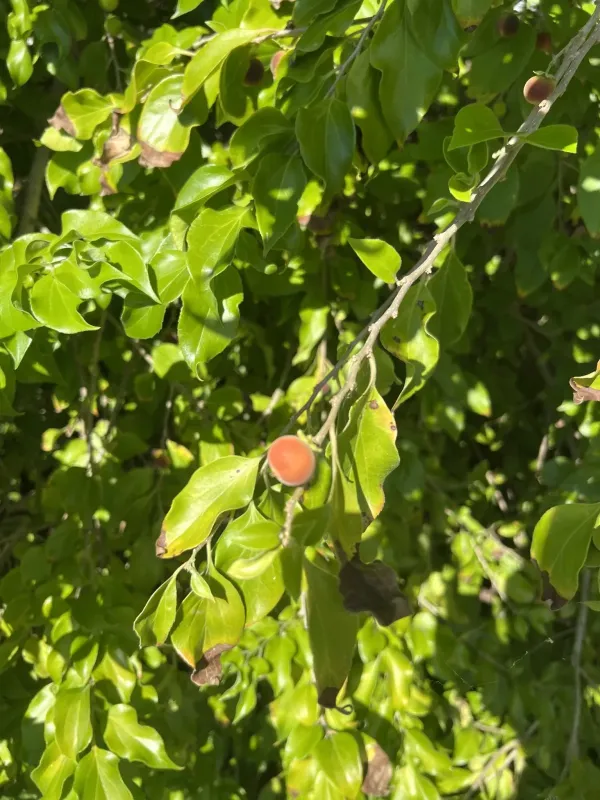
Description
Sowing dates
Governor's plum is typically propagated from seeds, which should be sown immediately after removal from the ripe fruit to maintain viability. The seeds are placed in a warm, moist medium, where they germinate relatively quickly under controlled temperatures of about 25 degrees Celsius.
Seedlings exhibit slow initial growth and require protection from direct sunlight and temperature fluctuations. During the first few months, it is essential to maintain consistent moisture in the potting mix to ensure the development of a healthy root system.
For large-scale cultivation or to ensure genetic uniformity, budding or grafting is preferred over seed propagation. This method significantly reduces the juvenile period, allowing the tree to bear fruit within a few years of planting.
When transplanting into the open field, ensure the site is well-prepared with organic matter. The best time for planting is during the start of the warm season when the risk of frost has completely passed and the soil is sufficiently warmed.
Proper spacing is crucial for this species, as mature trees can develop a wide, spreading canopy. Planting distances of 4 to 5 meters are recommended to allow for adequate airflow and ease of maintenance.
Growing requirements
Dovyalis hebecarpa, a member of the Salicaceae family, thrives in tropical and subtropical environments. It is a robust plant that adapts well to various conditions, provided there is enough warmth and sunlight to support its physiological processes.
The plant requires deep, fertile, and well-drained soil. It is adaptable to a range of soil pH levels, though it performs best in slightly acidic to neutral soils that are rich in organic nutrients and free from compaction.
Abundant sunlight is necessary for optimal flowering and fruit production. While the plant can tolerate partial shade, a site with full sun exposure will yield more vigorous growth and a higher number of fruits throughout the harvest season.
Watering requirements are moderate but steady. The plant needs regular moisture during the growing season, especially during fruit development. However, excessive water logging must be avoided as it can cause root rot, a common issue in poorly drained soils.
Regular fertilization with balanced nutrients is recommended to sustain the dense foliage and heavy fruit loads. Applying mulch around the base of the plant helps retain soil moisture and suppress competitive weeds.
Yield
The yield of a mature Governor's plum tree can be substantial, often producing hundreds of fruits per season. The fruit is a small, velvety-skinned berry that ranges in color from dark purple to near black when fully ripe.
Pollination is a key factor in yield stability. While the plant is somewhat self-fertile, having multiple trees in close proximity often results in higher fruit set and better yields, making it an excellent choice for orchard blocks.
The fruit's flavor is tangy and acidic, making it a popular choice for culinary applications. It is particularly valued for its high pectin content, which makes it perfect for creating jellies, jams, and preserves.
Beyond its edible qualities, the plant is frequently used as a decorative element in landscaping. Its dense habit, thorns, and attractive foliage make it an effective security hedge that also provides a functional food source.
Economic potential lies in niche markets for exotic fruits. Because the fruits are perishable, they are primarily processed into value-added products, which helps to mitigate post-harvest losses for smallholder farmers.
Main diseases and pests
The plant is susceptible to various fungal pathogens, especially in humid climates where stagnant air allows for disease buildup. Proper pruning to open the canopy is the most effective preventative measure against these infections.
Common pests include scale insects and aphids, which can infest tender shoots and reduce the overall vigor of the tree. Monitoring for these pests is vital, as early detection allows for less invasive control methods.
Root rot is a major threat in soils with poor drainage. Once a tree is infected, recovery is difficult, emphasizing the importance of site selection and drainage management before planting begins.
Birds and other wildlife may be attracted to the ripening fruit, which can lead to significant harvest losses. Protective netting can be used to shield the fruit during the peak of the ripening period.
Integrated pest management strategies, combining biological controls and responsible use of insecticides, are recommended to maintain plant health while minimizing impact on the local ecosystem.
Harvesting
Harvesting Governor's plum is a challenge due to the sharp, long thorns found on the branches. Protective gear, including heavy-duty gloves and long sleeves, is essential for anyone handling the plant during the harvest period.
Fruit should be harvested by hand once it reaches a deep, dark purple color, indicating full maturity. Because the fruits do not ripen well off the tree, they must be picked at the peak of their readiness.
Post-harvest life is short due to the fruit's soft skin and high water content. It is recommended to process the fruit immediately after harvest or store it in refrigerated conditions to maintain its quality for a short duration.
For easier access, training the tree to a smaller, more manageable form is recommended. Regular pruning keeps the tree within a desirable height, allowing for safer and more efficient gathering of the fruit.
The harvesting process usually spans several weeks as fruits mature in stages. Regular visits to the orchard allow for the systematic collection of fruits as they become ready, maximizing the overall seasonal output.