
Gordon's Pine
Pinus gordoniana
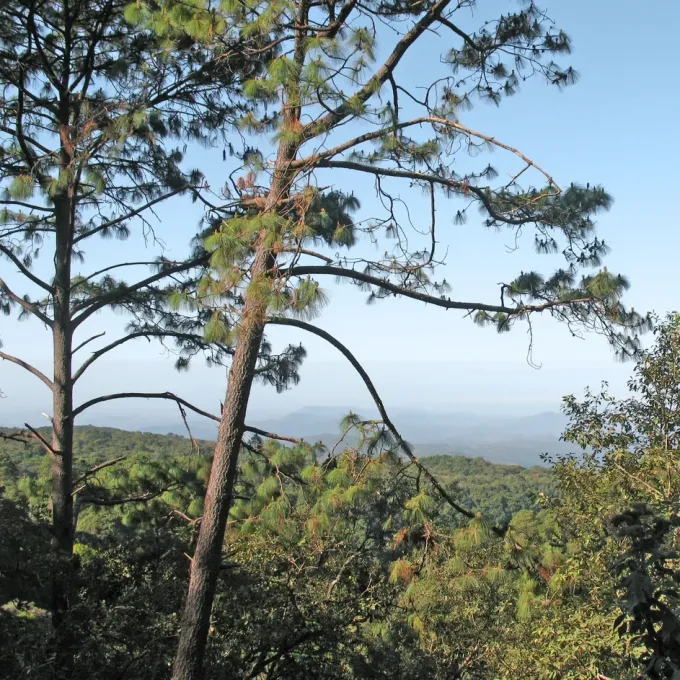
Description
Growing requirements
Gordon's Pine (Pinus gordoniana) is a rare evergreen conifer species belonging to the Pinaceae family. Native to the mountainous regions of Guatemala, it thrives in cloud forest habitats characterized by high humidity and moderate temperatures.
The tree exhibits specific botanical characteristics, including needles arranged in bundles and a slow growth rate that is typical for many high-altitude pine species. It requires well-drained, slightly acidic soil to thrive in a domestic or nursery environment.
Agricultural requirements focus on protecting the tree from extreme heat and direct sunlight during its early stages. Adequate air circulation is crucial to prevent the accumulation of moisture around the foliage, which can lead to various complications.
Watering should be consistent but cautious; the root system is sensitive to waterlogging. Adding mulch around the base of the trunk helps to retain moisture while simultaneously suppressing weed growth and maintaining soil temperature.
Due to its rarity, the primary use of this culture is in specialized botanical collections and ornamental landscapes, where its unique aesthetic value makes it a prized addition for dedicated pine collectors.
Main diseases and pests
The most significant threats to Pinus gordoniana include fungal infections such as needle blight and rusts, which are often exacerbated by poor ventilation and excessively high humidity levels.
Pest pressures primarily come from wood-boring insects and defoliators that target the needles. Left unchecked, these pests can compromise the structural integrity and aesthetic appearance of the tree.
Management strategies involve integrated pest management (IPM) practices, emphasizing cultural controls like proper spacing and site selection to minimize the impact of disease-prone environments.
Chemical intervention should be considered only when necessary, using fungicides and systemic insecticides labeled for ornamental conifers to ensure both effectiveness and plant safety.
Continuous monitoring of the tree canopy for signs of discoloration or wilting is essential for early detection, which significantly increases the chances of successful treatment and recovery.