
Armand pine
Pinus armandii
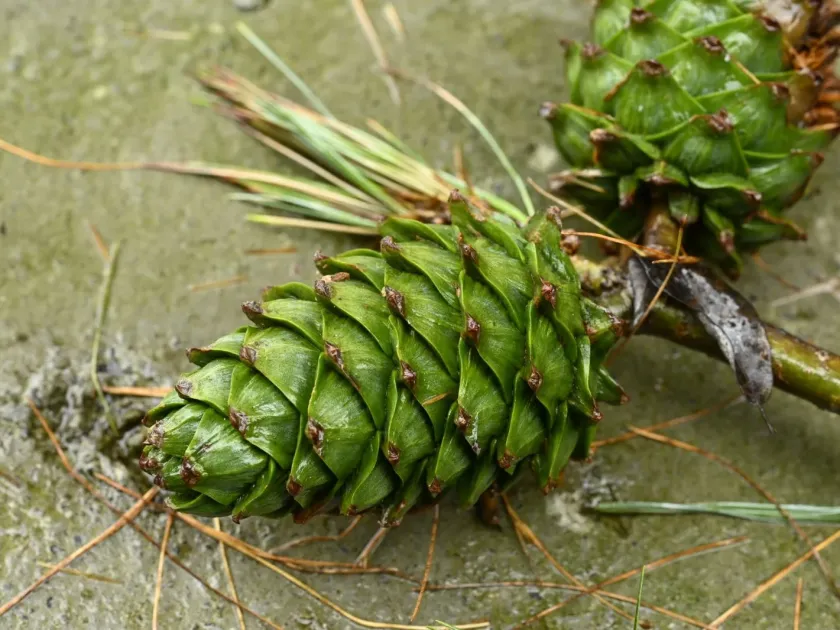
Description
Sowing dates
Sowing of Pinus armandii seeds in nurseries is typically performed in the spring, following a 30–60 day stratification period at low positive temperatures.
For direct seeding in forestry, well-prepared areas with well-drained soil are essential to prevent moisture stagnation near the root collar of the seedlings.
The sowing depth is usually 2–3 centimeters, and maintaining consistent substrate moisture is crucial until massive germination occurs.
Planting density depends on the purpose of the plantation, with 2500–3000 trees per hectare being the standard for high-quality timber production.
Using container-grown seedlings with a closed root system significantly increases survival rates when transplanting to permanent forest or garden sites.
Growing requirements
Armand pine belongs to the Pinaceae family and is a highly ornamental, fast-growing tree that reaches a height of 20–35 meters in its natural habitat.
The crop prefers moderately moist, well-drained soils with a neutral or slightly acidic reaction, avoiding waterlogged or saline soil conditions.
It is a light-demanding species, though it tolerates light shading in its juvenile stage, allowing for its use in mixed forest stands in temperate climates.
Originating from the mountainous regions of China, this species exhibits good adaptability to temperature fluctuations and thrives in regions with mild winters.
The presence of specific soil microflora is critical for healthy growth, which often necessitates the use of mycorrhizal inoculants when establishing new plantations.
Yield
The economic value of this crop stems from both its high-quality soft wood and its large edible seeds, which are highly valued for their nutritional content.
Fruit bearing in Armand pine begins relatively early, usually between 10 and 15 years of age, making it a promising candidate for specialized nut orchards.
Average yield per hectare in commercial plantations varies significantly based on management intensity and local environmental conditions.
Harvesting is performed once cones begin to open naturally, usually in late autumn, which helps minimize potential damage from birds and small rodents.
The wood of this pine is highly regarded in the woodworking industry due to its uniform texture and dimensional stability under varying humidity.
Main diseases and pests
Major pests affecting this species include pine caterpillars and various species of bark beetles, which can weaken the trees and lead to significant mortality.
Fungal diseases, such as Lophodermium needle cast, frequently occur in conditions of high humidity and poor crown aeration within dense stands.
To prevent the spread of infections, strict adherence to sanitary standards, such as removing dead branches and monitoring needle health, is required.
The use of chemical pesticides should be strictly regulated and focused on preventive treatments during the active spring growth period.
- Regular thinning of forest stands.
- Ensuring optimal levels of light penetration.
- Prompt removal of diseased or infested individuals.
Harvesting
Seeds are harvested manually or mechanically by collecting cones before they fully open to prevent natural seed dispersal.
After collection, cones are placed in dry, well-ventilated rooms where heat causes them to open, releasing the seeds for subsequent cleaning.
Cleaning the seeds from cone scales requires precision to avoid damaging the seed coat, which is vital for maintaining germination rates during storage.
Seed material should be stored in airtight containers at low temperatures to ensure long-term viability over several planting seasons.
When grown for timber, selective harvesting is the preferred method to maintain the long-term ecological balance of the forest ecosystem.