
Arizona pine
Pinus arizonica
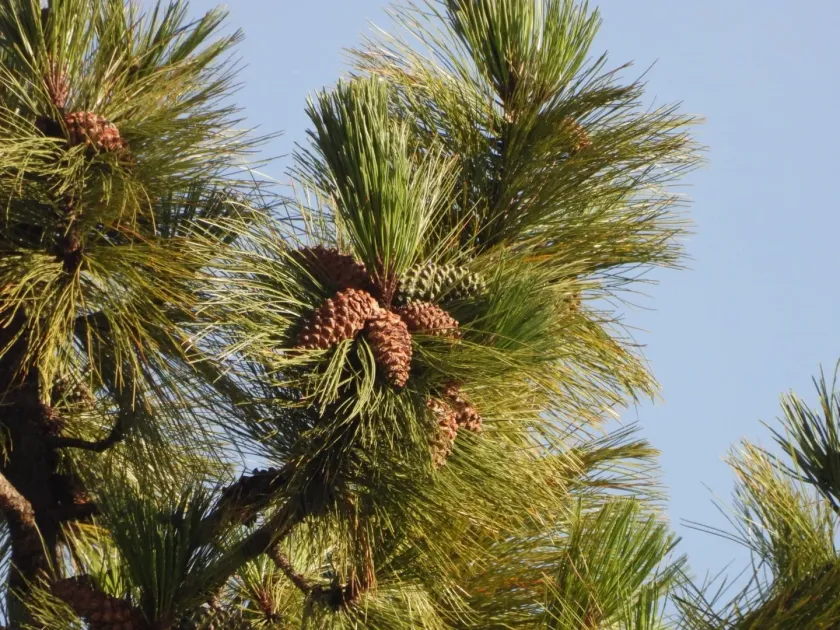
Description
Growing requirements
The Arizona pine (Pinus arizonica) is a coniferous tree species belonging to the Pinaceae family. It is recognized for its long, needle-like foliage and its ability to thrive in challenging semi-arid environments.
Native to the southwestern United States and northern Mexico, the species typically grows at high elevations. It is a highly valued tree for both its timber potential and its ornamental beauty in xeriscape landscaping.
This tree requires full sun exposure to maintain its vigor and structure. It is highly intolerant of shade, which can lead to sparse foliage and increased susceptibility to opportunistic pathogens.
The ideal soil conditions for the Arizona pine include well-drained, porous soils. It is exceptionally well-adapted to rocky, acidic soils and can withstand low-nutrient conditions, making it suitable for reforestation projects.
Climate adaptation is a key feature of this species. It is remarkably drought-tolerant once established, surviving with minimal supplemental irrigation in its natural habitat range.
Main diseases and pests
Bark beetles are the most significant threats to the survival of the Arizona pine. These insects bore into the trunk, disrupting the nutrient supply and often proving fatal to mature trees.
Needle cast diseases, caused by various fungal pathogens, can lead to premature shedding of needles. Proper management involves thinning the stand to allow better airflow and rapid drying of the canopy.
Sawfly larvae can cause extensive damage by feeding on needles. Regular monitoring during the spring and early summer is essential to apply biological or chemical controls before significant defoliation occurs.
Root rot, caused by soil-borne fungi, often results from over-watering or poor soil drainage. Ensuring that the planting site has excellent drainage is the primary defense against these issues.
Environmental stress, such as extreme heat coupled with drought, can weaken the tree's natural defense mechanisms, making it more vulnerable to secondary infestations by insects and diseases.