
Amami pine
Pinus amamiana
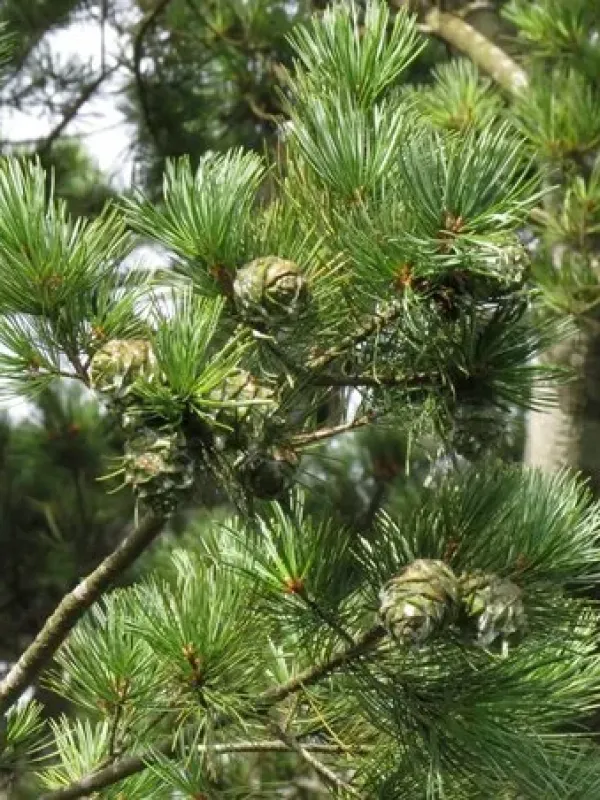
Description
Growing requirements
The Amami pine (Pinus amamiana) is a rare coniferous tree belonging to the family Pinaceae. This species is endemic to Yakushima and Tanegashima islands in Japan, where it occupies specific mountainous habitats.
In terms of cultivation, it requires well-drained, acidic, and rocky soils. The tree is adapted to a humid subtropical climate and thrives in areas with consistent moisture levels and protection from harsh, dry winds.
Botanically, this pine is distinguished by its needle-like leaves arranged in fascicles of five and its relatively small cones. It is a slow-growing species, which makes it particularly sensitive to changes in its immediate microenvironment.
Cultivation practices are limited, as the species is considered endangered. Successful growth depends on replicating the unique moisture-retention and drainage balance found in its native mountain habitats.
Its primary use is for botanical conservation and educational purposes in arboretums. Because of its scarcity, it is not utilized for industrial timber production but remains a subject of high scientific interest.
Main diseases and pests
The main threats to the species are climate change and habitat loss. In cultivation, the most significant risk is root rot, which often occurs if the soil drainage is not properly maintained.
Common pests include bark beetles and specific aphid species that target young needles. Maintaining plant vigor through proper monitoring of soil moisture is essential for long-term health.