
Glehn's spruce
Picea glehnii (F. Schmidt) Mast.
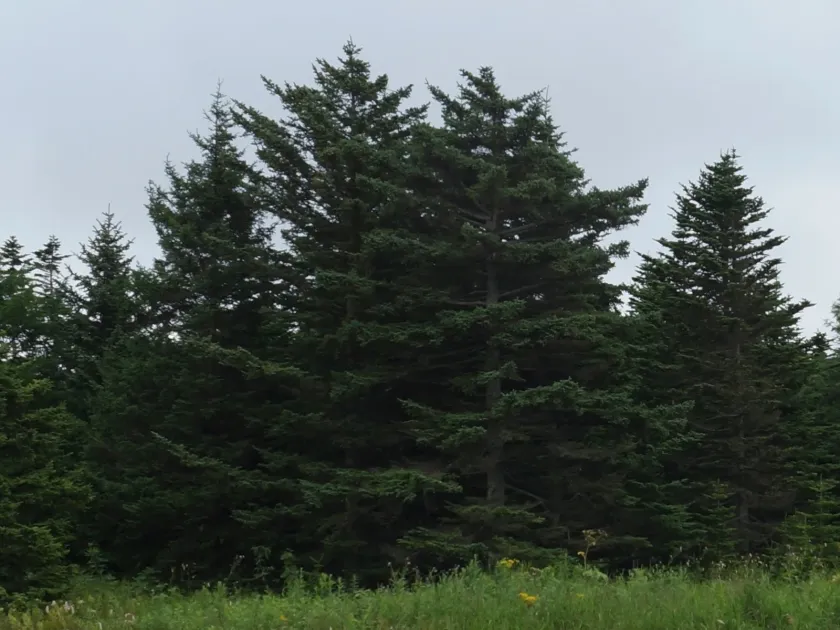
Description
Sowing dates
Glehn's spruce seeds require a period of cold stratification to break dormancy before sowing. This process typically takes between one to three months and is essential for achieving optimal germination rates in nursery conditions.
Seeds should be sown in a well-draining, sterile potting mix to prevent damping-off disease. A light covering of substrate is sufficient, as the seeds need a stable, slightly humid environment with temperatures between 18–22 degrees Celsius to sprout.
Once seedlings emerge, they should be placed in an area with bright, indirect light. It is crucial to maintain consistent moisture levels without saturating the soil, as young roots are highly sensitive to oxygen deprivation.
Transplanting into larger containers or individual pots should be handled with extreme care to avoid damaging the delicate root system. Seedlings are generally slow-growing, requiring patience during the first two to three years of cultivation.
When moving plants to the field, early spring is the preferred time. Ensure that the root ball remains intact and that the soil is properly prepared with organic matter to support long-term establishment and growth.
Growing requirements
Picea glehnii, belonging to the Pinaceae family, is a slow-growing coniferous tree native to the cool, maritime climates of Sakhalin and Hokkaido. It thrives in regions where summer temperatures remain relatively moderate.
The tree prefers deep, moist, and well-drained soils that are slightly acidic. It performs poorly in heavy, compacted clays or areas with stagnant water, which can trigger severe root health issues and chlorosis.
Humidity is a vital factor for the health of Glehn's spruce. It is best suited for climates with high atmospheric moisture and dislikes prolonged exposure to hot, dry winds, which can lead to browning of the needles.
While the species can tolerate partial shade, full sun exposure is generally required to maintain a dense, symmetrical crown. In very hot climates, however, some afternoon shade is beneficial to prevent needle scorch.
This spruce species is cold-hardy once established, but young plants should be protected from winter winds. A layer of organic mulch around the base helps stabilize soil temperature and moisture levels throughout the growing season.
Main diseases and pests
Fungal pathogens are the primary concern for Glehn's spruce, especially in areas with poor air circulation or excessive humidity. Rust diseases and needle casts can cause significant defoliation if left unchecked.
Root rot, often caused by Phytophthora species, is a common threat when soil drainage is insufficient. Improving drainage and avoiding overwatering are the most effective cultural methods for preventing these infections.
Pests such as spruce spider mites can severely impact the tree's health during warm, dry weather. These mites feed on the sap of the needles, causing them to turn yellow and eventually drop off prematurely.
Aphids and woolly adelgids may also attack the new growth, leading to deformed twigs and reduced tree vigor. Regular monitoring of the foliage allows for early detection and the use of targeted biological or chemical control agents.
Maintenance practices, including the removal of dead or diseased branches, play a key role in keeping the tree resilient. Keeping the area surrounding the spruce free from weeds ensures that air flow is maximized, reducing the risk of disease outbreaks.