
White spruce
Picea glauca Moench Voss x Picea pungens Engelman
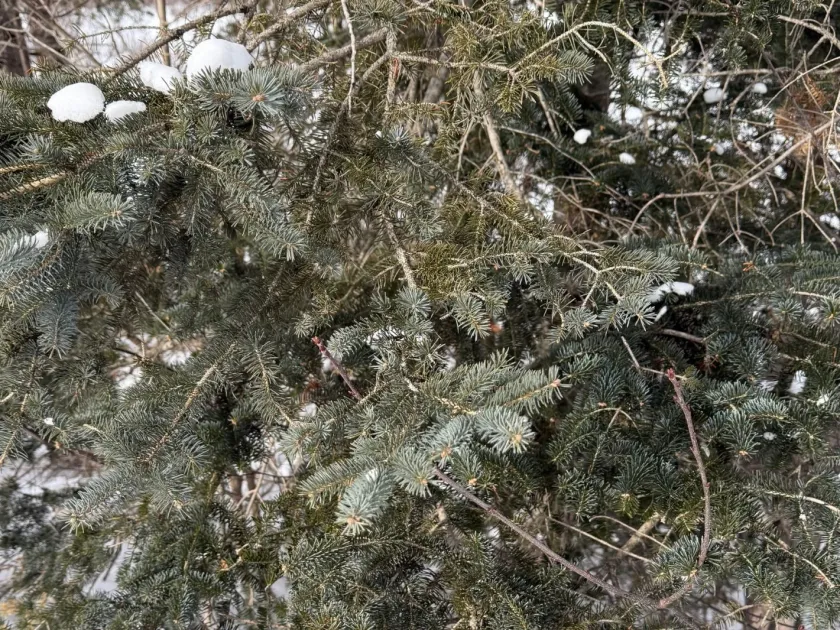
Description
Sowing dates
White spruce seeds are typically sown in early spring following a cold stratification period of 30 to 60 days. This process mimics natural winter conditions and significantly improves germination rates in nursery settings.
Seeds should be sown in a well-draining substrate composed of peat and sand, covered with a thin layer of soil. Consistent moisture is crucial during the first season of growth to ensure seedling establishment.
Vegetative propagation via cuttings is a common practice for maintaining desirable cultivars. Cuttings are taken from healthy shoots in spring and placed in a greenhouse with misting systems to encourage rooting.
Seedlings are ready for transplanting to their permanent location after 3 to 5 years of nursery development. It is vital to maintain the root ball integrity to minimize transplant shock and ensure survival.
Proper spacing is essential for mature growth; trees should be planted at least 3 meters apart to allow for proper air circulation and crown development in landscape projects.
Growing requirements
White spruce is a member of the Pinaceae family, known for its extreme cold tolerance. It thrives in temperate regions and prefers sites with full sun exposure to maintain its dense, characteristic shape.
The ideal soil conditions consist of well-drained, fertile loamy or sandy soils. Although the tree is somewhat adaptable, it cannot survive in sites with standing water or saturated, poorly drained soil.
While the tree is hardy, it requires supplemental watering during hot, dry spells. High atmospheric humidity is particularly beneficial for the foliage, helping to keep the needles vibrant and healthy.
Fertilization should be handled with care, using formulations designed for conifers. Excessive nitrogen application should be avoided, as it encourages soft, succulent growth that is susceptible to winter frost damage.
The species is moderately tolerant of urban air pollution, making it a reliable choice for park and residential planting, though it performs best in open spaces away from heavy traffic.
Yield
The primary utility of White spruce is its role in ornamental landscaping and forestry. It is highly valued for its natural conical form and glaucous, bluish-green foliage color.
From an industrial perspective, the wood is utilized in pulp production and light construction, though it is not classified as high-strength timber. Its consistent grain makes it useful for millwork.
In forestry, this species is frequently used for reforestation projects in colder northern climates due to its ability to form protective stands and prevent soil erosion in exposed landscapes.
Marketable quality for nursery specimens is measured by symmetry, foliage density, and the absence of pathogens. Pruning is often employed early on to ensure the tree develops a strong, singular leader.
Dwarf cultivars have become a significant segment of the market, prized for their suitability in residential rock gardens and patio containers where space is limited.
Main diseases and pests
The spruce spider mite is one of the most common pests, causing needles to turn yellow and drop. Regular monitoring and use of horticultural oils are recommended for control.
Fungal diseases like needle cast (Rhizosphaera) can affect trees in areas with poor airflow and high humidity. Proper spacing and preventative fungicide applications are key management strategies.
Spruce gall adelgids can cause abnormal growth on twigs, which negatively impacts the appearance of the tree. Manual removal of galls and insecticidal treatments are often required.
Root rot is typically caused by overwatering or compacted soil conditions. Ensuring proper drainage is the most effective way to prevent this serious, often fatal issue.
- Spider mites
- Needle cast
- Gall adelgids
- Root rot