
Blue spruce
Picea pungens Engelm.
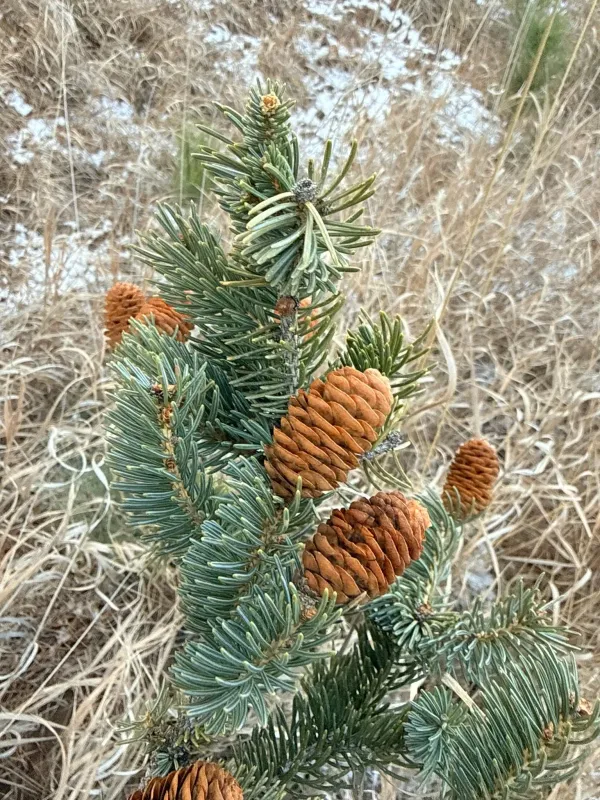
Description
Sowing dates
Seeds of the blue spruce are typically sown in early spring after undergoing a stratification period of 1–3 months in cold temperatures to break dormancy and ensure uniform germination.
Before planting, seeds should be treated with fungicides to protect against soil-borne pathogens and damping-off, which is a common issue for young coniferous seedlings.
The optimal planting medium is a well-draining blend of peat moss and sand, keeping the seeds covered with a thin layer of substrate, roughly 1 to 2 centimeters deep.
During the germination phase, it is crucial to maintain a stable temperature of about 18–20 degrees Celsius and provide moderate, consistent moisture to the soil surface.
Once seedlings emerge, they require protection from direct, scorching sun and should be gradually hardened off to ensure healthy development of the primary root system.
Growing requirements
The blue spruce, belonging to the Pinaceae family, is a highly adaptable coniferous species known for its resilience and striking glaucous or blue-green foliage.
This tree thrives best in full sunlight, which is necessary to maintain its dense growth habit and the intense, vibrant coloration of its needles throughout the year.
While it can tolerate a variety of soil types, Picea pungens prefers deep, fertile, and well-draining loamy soils and dislikes sites with prolonged waterlogging or stagnant water.
It is remarkably cold-hardy, making it suitable for a wide range of climates, though young trees may benefit from shelter during their first few years in exposed locations.
Regular fertilization with specialized conifer-specific slow-release fertilizers promotes vigorous growth and helps maintain the tree's overall health and aesthetic appeal.
Main diseases and pests
Common pathological threats to the blue spruce include needle cast fungi, such as Rhizosphaera, which causes older needles to turn brown and drop prematurely.
Insect pests, most notably the spruce spider mite and aphids, can cause significant cosmetic damage and weaken the tree by feeding on the sap of the needles.
Effective management involves an integrated approach, utilizing timely application of copper-based fungicides and systemic insecticides during the active growth season.
Sanitation is a vital aspect of disease control, including the prompt removal and disposal of infected branches to prevent the spread of spores to healthy parts of the canopy.
Proper spacing between trees is essential to ensure adequate air circulation, which significantly reduces the humidity levels that favor fungal development.
Harvesting
Picea pungens is primarily utilized in the nursery industry for landscape design and the specialized production of high-quality Christmas trees on commercial plantations.
Commercial growers employ strategic pruning techniques throughout the tree's lifespan to encourage lateral branching, resulting in a dense, conical shape highly desired in the market.
When harvested for transplanting, spruce trees are typically lifted with a root ball to minimize transplant shock and ensure high survival rates in new landscapes.
Harvesting for Christmas markets is typically performed in late autumn or early winter, ensuring the trees are fresh and retain their needles for an extended period indoors.
Quality control during harvest involves grading trees based on foliage density, color consistency, and symmetrical form to meet professional nursery and retail standards.