
White spruce
Picea glauca (Moench) Voss
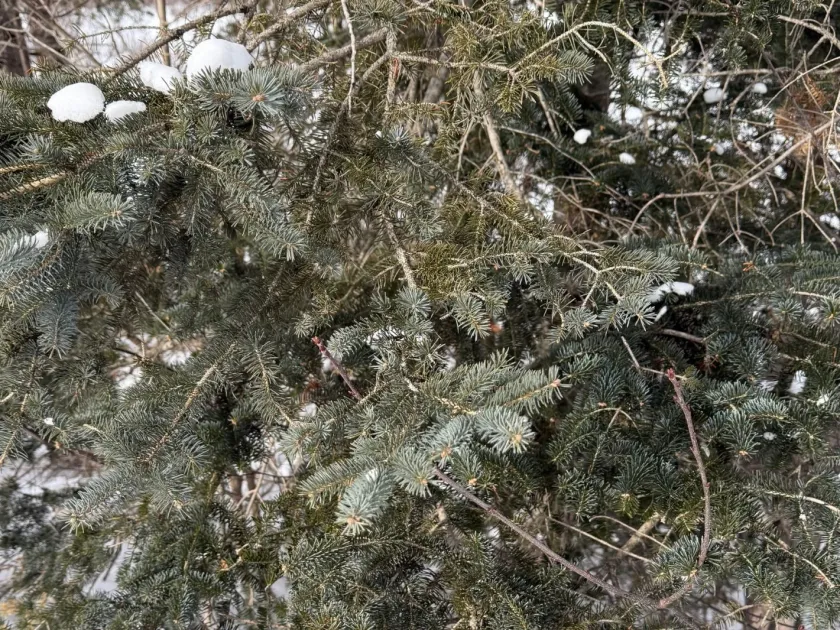
Description
Sowing dates
White spruce (Picea glauca) is a prominent member of the Pinaceae family, native to the northern temperate and boreal forests of North America.
Seed propagation is the primary method for forest regeneration. Seeds are extracted from mature cones and require stratification to break dormancy before sowing.
In nursery settings, seeds are sown in well-draining soil beds or containers, ensuring they are covered lightly to maintain moisture without deep burial.
The germination period requires constant humidity. Once seedlings emerge, light shading is provided to prevent desiccation from direct sun exposure.
Seedlings remain in the nursery environment for several years until they reach sufficient size and hardiness to be transplanted into forestry sites.
Growing requirements
This species thrives in a wide range of soil types, though it prefers moist, well-drained loams that are slightly acidic to neutral in pH.
White spruce is highly tolerant to extreme cold, making it a reliable species for northern reforestation projects where other species might fail.
It is moderately shade-tolerant but performs best in full sun, which promotes faster growth rates and a more vigorous physiological state.
Adequate soil moisture is critical; however, the tree cannot tolerate prolonged waterlogging, which often leads to root decay and nutrient uptake failure.
While mature trees are somewhat drought-tolerant, supplemental irrigation during establishment significantly improves survival and early growth.
Main diseases and pests
Needle cast diseases, caused by various fungi, are major concerns that lead to premature needle drop and reduced photosynthetic capacity in dense stands.
Root rot fungi pose a significant risk, particularly in sites where soil compaction or poor drainage prevents adequate root aeration.
The spruce budworm is a notorious pest that can cause extensive defoliation, significantly reducing the timber yield and overall tree health in forestry.
Spider mites often attack the foliage during hot, dry spells, causing the needles to yellow and eventually drop if not managed correctly.
Integrated pest management, including regular stand monitoring and the removal of highly infested trees, is the primary defense strategy for sustainable growth.