
Engelmann spruce
Picea engelmannii Parry ex Engelm.
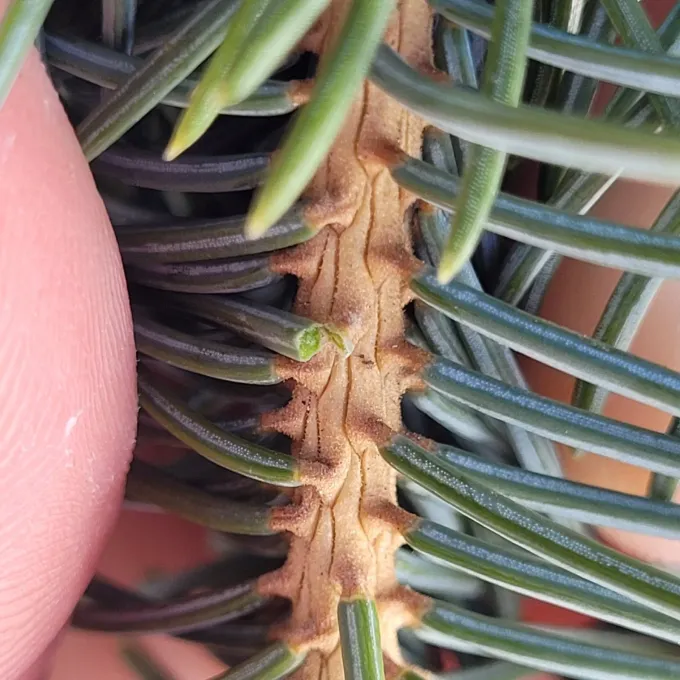
Description
Growing requirements
Engelmann spruce (Picea engelmannii) is a significant coniferous species belonging to the Pinaceae family. Known for its symmetrical growth and dense, bluish-green foliage, it serves as an important timber tree in its native regions.
The tree originates from the mountainous landscapes of western North America. It is naturally adapted to high-altitude environments, thriving in cool, moist summers and enduring long, cold winter conditions.
Cultivation success depends on selecting deep, well-drained, acidic to neutral soils. The species is highly sensitive to soil compaction and waterlogged sites, which often lead to physiological decline and root issues.
Climate requirements include high humidity and stable temperatures. While the tree can tolerate partial shade in its juvenile stage, it requires full sunlight to develop a dense and healthy crown in its mature years.
Agronomic management involves maintaining a mulch layer around the base to retain soil moisture and regulate temperature. Fertilization should be targeted toward coniferous-specific nutrient profiles to ensure balanced growth.
Main diseases and pests
Needle cast diseases, caused by various fungi, are a primary threat to Engelmann spruce. These infections typically appear as discolored needles that drop prematurely, especially in humid and stagnant air conditions.
Pest pressure often comes from the spruce beetle, which targets mature trees. Regular forest health monitoring is essential to detect entry holes or sawdust-like frass, which indicate potential infestation.
Spruce aphid and spider mite infestations can become problematic, particularly during hot, dry spells. These pests damage the needles, causing yellowing and dieback, which necessitates intervention with appropriate pesticides.
Root rot, specifically caused by Armillaria species, is a common threat in sites with poor drainage or existing soil pathogens. Management focuses on site preparation and removing stumps before new planting.
Effective control measures involve combining cultural practices, such as proper spacing for air circulation, with chemical or biological applications to maintain the tree's defensive capacity against pests and fungi.