
Brewer spruce
Picea breweriana S. Watson
Description
Growing requirements
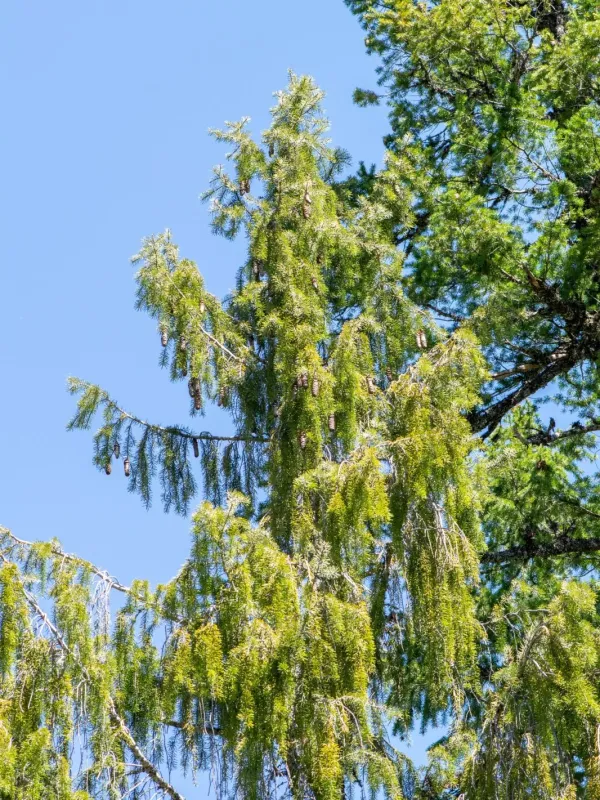
The Brewer spruce (Picea breweriana) is a distinctive member of the Pinaceae family, known for its unique weeping branch structure. It is a rare coniferous species native to the high-altitude regions of the Siskiyou Mountains in Oregon and California, where it thrives in cool, mountainous climates.
In cultivation, this species requires well-drained, slightly acidic, and humus-rich soil to develop a healthy root system. It is notably sensitive to heavy, clay-based soils that retain excessive moisture, which can quickly lead to root rot and compromise the tree's health and longevity.
The climate requirements emphasize the need for a cool, humid environment with protection from harsh, drying winds. While the tree is quite winter-hardy, younger specimens benefit from partial shade during their first years to prevent foliage scorching caused by direct sun exposure in early spring.
Horticulturally, the Brewer spruce is prized as an ornamental specimen for large gardens and arboreta. Because of its exceptionally slow growth rate, it is rarely considered for timber production, making it a niche product for high-end landscaping and specialized plant nurseries.
Propagation is primarily achieved through seeds which require cold stratification to break dormancy. Propagation by cuttings is notoriously difficult and rarely successful, which is why commercial nurseries often rely on grafting techniques to ensure consistent growth and survival rates of young plants.
Main diseases and pests
Like many conifers, the Brewer spruce is susceptible to spider mites, which can cause significant damage to needles during hot and dry spells. These pests suck the sap from the foliage, leading to yellowing, browning, and eventually needle drop if the infestation remains untreated.
Fungal diseases, including various types of needle cast and rust, pose a constant threat, especially when humidity levels are high and airflow within the canopy is restricted. Proper spacing between trees is essential to ensure that moisture evaporates quickly and fungal spores cannot germinate.
Root system health is vital, and soil compaction represents a major threat to this species. When the soil around the base of the tree becomes too dense, the roots suffer from oxygen deprivation, making the plant more vulnerable to soil-borne pathogens and systemic decline.
Preventive maintenance includes seasonal applications of fungicide and insecticide as part of an integrated pest management program. It is crucial to monitor for signs of infestation periodically, specifically checking the undersides of the needles where many pests initially congregate.
Sanitation practices, such as removing fallen needles and pruning out dead or diseased branches, help reduce the reservoir of pathogens in the immediate environment. Maintaining optimal nutrient levels through light fertilization also supports the spruce's natural ability to withstand pest pressure.