
Schrenk's spruce
Picea schrenkiana Fisch. & C. A. Mey.
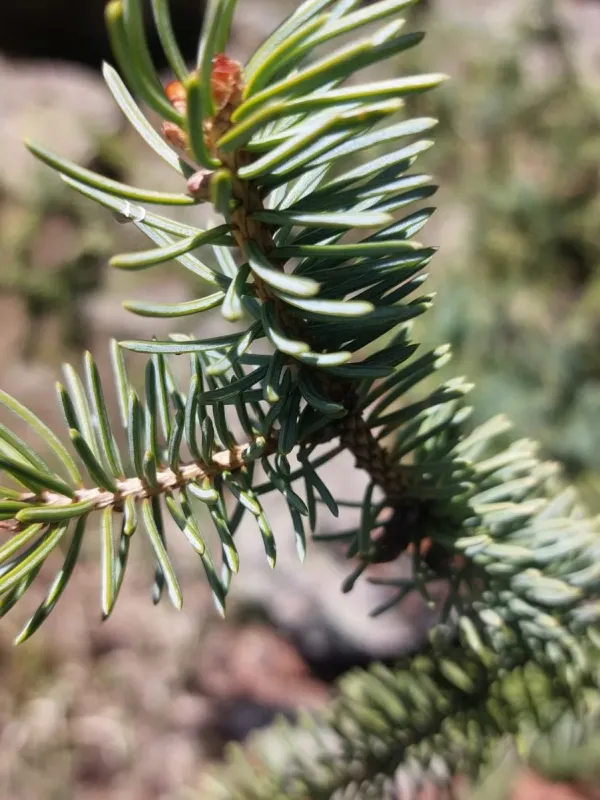
Description
Growing requirements
Schrenk's spruce (Picea schrenkiana) is a member of the Pinaceae family. It is a large, evergreen coniferous tree, native to the mountain ranges of Central Asia, specifically the Tian Shan mountains, where it grows at high altitudes.
The tree is characterized by its narrow, conical crown and dense needles. It is a vital species for mountain forest ecosystems, providing protection against soil erosion and helping to maintain local hydrological stability.
Regarding cultivation requirements, Schrenk's spruce prefers well-drained, fertile soil. While it is hardy against cold temperatures, it demands consistent moisture levels and protection from stagnant water conditions, which can lead to root degradation.
Agrotechnical practices involve sowing seeds in nurseries after proper stratification. Seedlings require shade during the initial development phase, transitioning to full sunlight as they mature to ensure the development of a strong, dense, and healthy crown.
In terms of economic use, the tree is primarily valued in forestry for its timber and its ecological services. It also serves as a beautiful ornamental tree in botanical gardens and large landscapes due to its unique, slender architectural shape.
Main diseases and pests
The spruce sawfly is a primary insect pest that feeds on the needles, causing significant defoliation if left untreated. Regular scouting and integrated pest management are essential to maintain the health of the plantation.
Fungal diseases like needle cast (Rhizosphaera) can occur in areas with high humidity and poor air circulation. Proper spacing between trees is crucial to promote airflow and reduce the humidity levels that favor fungal spore development.
Root rot, often caused by pathogens such as Phytophthora, represents a major threat in soils with poor drainage. Site selection and careful irrigation management are the most effective ways to mitigate the risk of root-related diseases.
Wildlife damage, specifically from ungulates grazing on the bark of young saplings, can lead to stunted growth or tree death. Protection strategies, such as individual tree guards or fencing, are necessary during the early stages of establishment.
Sanitary management practices, including the removal of dead or dying trees and limbs, are essential to prevent the buildup of pest populations and the spread of pathogenic fungi throughout the managed forest area.