
Dahurian larch
Larix gmelinii (Rupr.) Rupr.
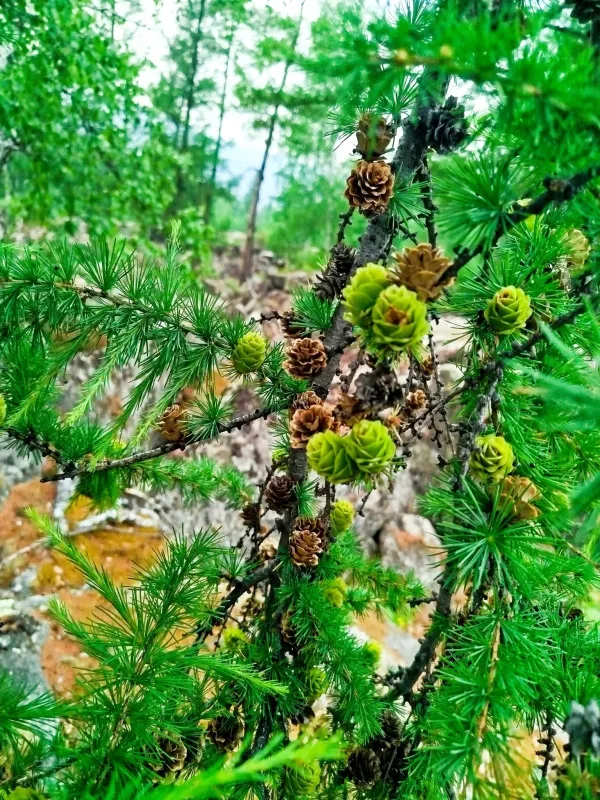
Description
Sowing dates
Dahurian larch, a member of the Pinaceae family, is propagated through seeds. In forestry nurseries, sowing is typically carried out in spring after a period of stratification to improve germination rates, as the seeds have natural dormancy requirements.
The optimal sowing season begins when soil temperatures reach 6–8 degrees Celsius. Seeds are sown at a shallow depth of approximately 1 centimeter, and the soil must be kept consistently moist to ensure successful seedling emergence during the first few weeks.
High-quality seedling production requires precise density control. Overcrowding inhibits the development of a robust root system and may lead to increased susceptibility to damping-off diseases, which is a common concern in nursery management.
Seedlings benefit from partial shade during their first growing season to prevent desiccation from intense sunlight. As the plants develop, they are gradually exposed to full light to harden them off before permanent transplanting in the second or third year.
Transplanting should be handled with care to maintain the root ball, as the species is sensitive to root exposure. Proper preparation of the planting site, including weed control, is essential for establishing young stands in reforestation projects.
Growing requirements
This species is exceptionally cold-hardy, thriving in the severe climates of Eastern Siberia and the Far East. Its physiological adaptations allow it to survive extreme sub-zero temperatures that would be fatal to many other tree species.
Dahurian larch is relatively undemanding regarding soil type, although it prefers well-drained loams or sandy soils. It is notably capable of growing in regions with permafrost due to its shallow, lateral root system, which allows it to thrive in nutrient-poor substrates.
Being an obligate heliophyte, the species requires full sun for optimal growth. Shading from neighboring trees or dense canopy cover will significantly reduce growth rates and may result in thin, irregular crown development, making site selection critical.
The tree shows high resilience to drought once established. However, during the early growth phase, sufficient soil moisture is vital for development. While it tolerates various moisture regimes, it avoids permanently waterlogged or boggy soil conditions.
Management of larch stands involves periodic monitoring of stand density and health. As the trees reach maturity, they become highly self-sufficient, though initial silvicultural interventions can significantly enhance the timber quality and growth yield.
Main diseases and pests
Fungal pathogens, particularly those causing stem and branch canker, are among the most significant biological threats to Dahurian larch. These diseases can lead to structural damage and significantly decrease the market value of the timber produced.
Various defoliating insects, such as larch casebearers, pose a threat by feeding on the needles during the growing season. While mature trees can often withstand moderate defoliation, repeated attacks can weaken the tree and leave it vulnerable to other stressors.
Bark beetles and other wood-boring insects tend to target stressed or damaged trees. Maintaining stand hygiene, such as promptly removing fallen timber and thinning overcrowded areas, is a fundamental strategy for integrated pest management in larch forests.
Protection of young plantations from small mammals like rodents is necessary during winter months, as they may feed on the tender bark of young saplings. Protective sleeves or chemical repellents are effective tools for ensuring high survival rates.
- Larch canker (Lachnellula willkommii)
- Larch casebearer (Coleophora laricella)
- Bark beetles (Scolytinae)
- Root rot pathogens